查看原文全部插图(11 幅)



内容提要
综合医学模型(IMM)是美国国家航天局(NASA)用于评估航天任务中医疗事件影响的随机风险评估工具。该模型通过蒙特卡洛模拟方法,帮助任务规划者预测潜在医疗风险并优化航天器上的医疗资源配置。
原文全文译文
什么是IMM?
What is the IMM?
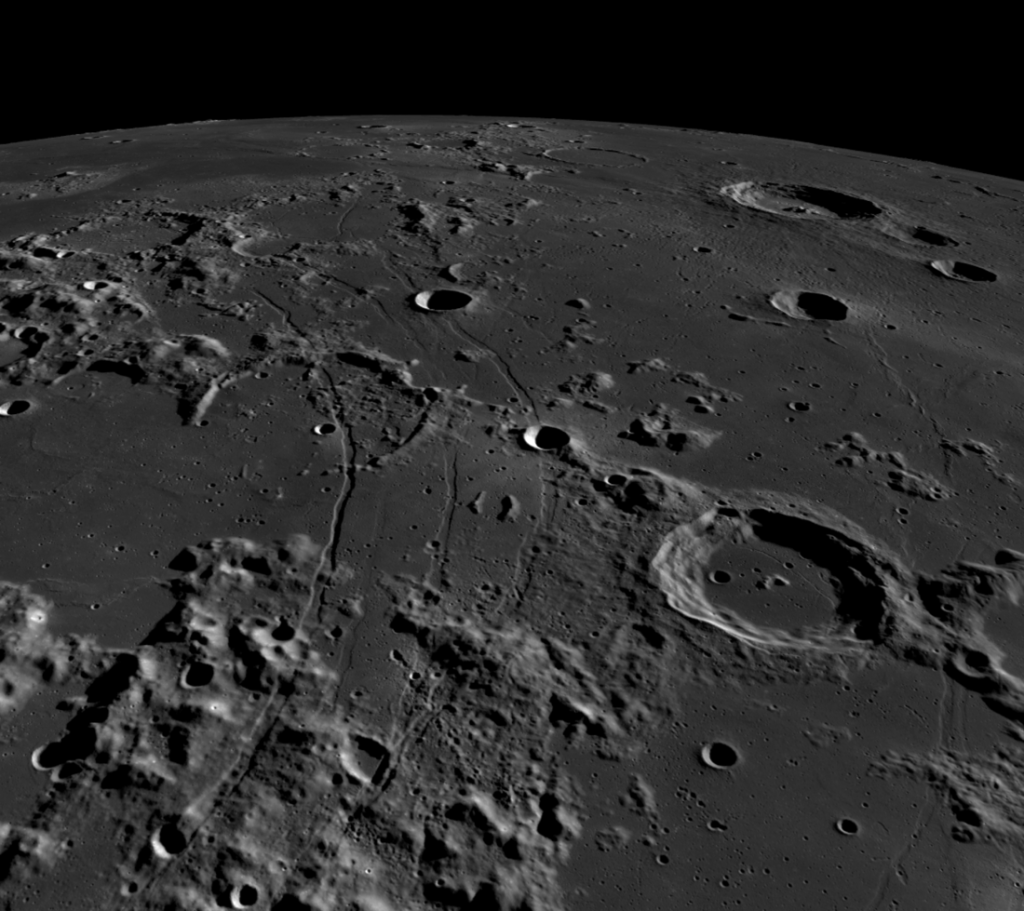
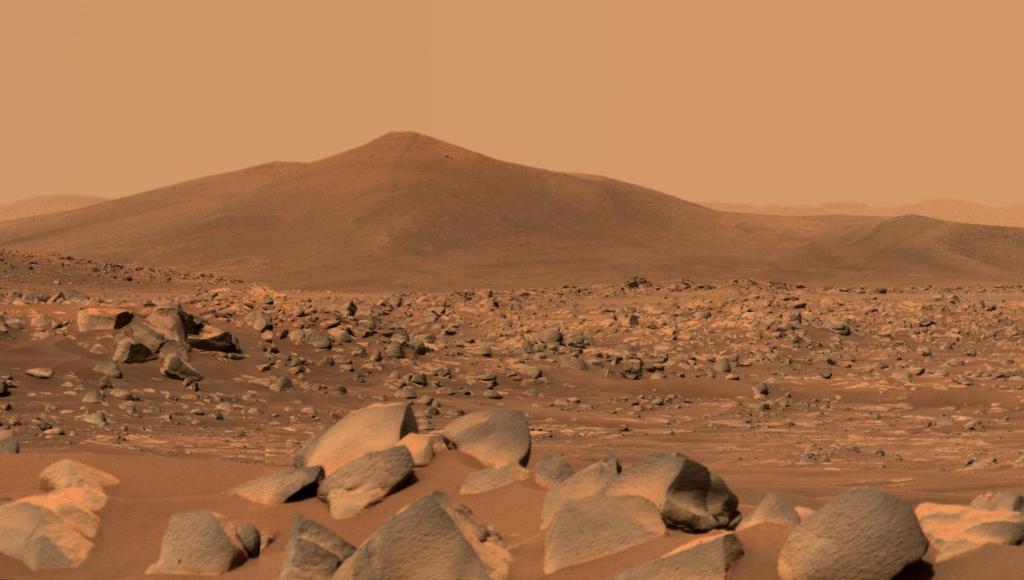
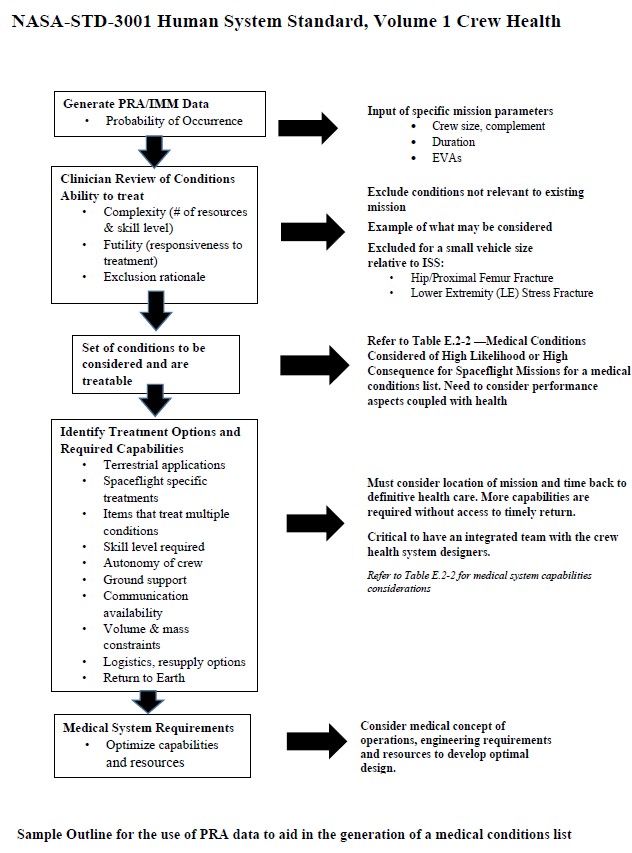
综合医学模型(Integrated Medical Model, IMM)是一种复杂的随机(概率)风险评估工具,被美国国家航天局(NASA)用于评估航天(space flight)期间医疗事件的影响。通过利用蒙特卡洛模拟方法和历史医疗数据,IMM帮助任务规划者评估飞行中机组人员的健康需求,预测潜在的医疗风险,并优化为各种设计参考任务(DRMs)所配备的医疗资源,例如近地轨道(low earth orbit, LEO)、月球任务和火星(Mars)凌(transit)。
The Integrated Medical Model (IMM) is a sophisticated, stochastic (probabilistic) risk assessment tool used by NASA to evaluate the impact of medical events during spaceflight. By utilizing Monte Carlo simulation methodologies and historical medical data, the IMM helps mission planners evaluate in-flight crew health requirements, forecast potential medical risks, and optimize the medical resources packed for various Design Reference Missions (DRMs) such as Low Earth Orbit (LEO), Lunar missions, and Mars transits.
输入:该模型需要用户定义的任务概况。这包括任务持续时间、机组人员规模、个人机组特征(如性别、牙科病史或既往手术史)以及计划进行的舱外活动(extravehicular activity, EVA)次数。它从综合医学证据数据库(iMED)中提取基准医疗数据。请参阅每种医疗状况的相关CLiFFS(临床发现表格)。
Input: The model requires a user-defined mission profile. This includes mission duration, crew size, individual crew characteristics (such as sex, dental history, or prior surgeries), and the number of planned spacewalks (EVAs). It draws its baseline medical data from the integrated Medical Evidence Database (iMED). See associated CLiFFS (Clinical Finding Forms) for each medical condition.
- 模拟:IMM运行数十万次随机任务模拟(试验),以基于循证发生率对医疗事件的随机发生进行建模。
- Simulation: The IMM runs hundreds of thousands of stochastic mission simulations (trials) to model the random occurrence of medical events based on evidence-based incidence rates.
- 输出:系统生成主要医疗结果的定量估计(详见下文)。
- Output: The system generates quantitative estimates for primary medical outcomes (detailed below).
- 优化:规划者利用这些输出结果来优化资源选择,确保机组人员拥有必要的医疗包(MedCap),同时严格遵守航天器在质量和体积方面的严苛限制。
- Optimization: Planners use the outputs to optimize resource choices, ensuring the crew has the necessary medical kits (MedCap) while strictly adhering to the severe mass and volume constraints of a spacecraft.
输出:该模型为任务规划者提供了几个关键数据点:
Output: The model provides mission planners with several critical data points:
- 总医疗事件(TME):估计在特定任务期间将发生的医疗状况总数。
- Total Medical Events (TME): The estimated total number of medical conditions that will occur during a given mission.
- 机组健康指数(CHI)与质量调整损失时间(QTL):一种功能性健康指标。CHI以百分比(0到100)表示,其中100%意味着机组人员完全具备功能,较低的百分比表示由于诊断、治疗和恢复而导致的损伤或时间损失。
- Crew Health Index (CHI) & Quality-Adjusted Time Lost (QTL): A functional health metric. CHI is represented as a percentage (from 0 to 100), where 100% means a completely functional crew, and lower percentages indicate impairment or time lost due to diagnosis, treatment, and recovery.
- 撤离概率(EVAC):发生严重到需要医疗撤离回地球(Earth)的医疗事件的可能性。
- Probability of Evacuation (EVAC): The likelihood that a medical event will occur that is severe enough to warrant a medical evacuation back to Earth.
- 机组人员生命损失概率(LOCL):医疗状况导致机组人员死亡的估计概率。
- Probability of Loss of Crew Life (LOCL): The estimated probability that a medical scenario will result in the death of a crew member.
- 资源利用率:跟踪为治疗模拟状况而消耗的医疗用品(消耗品和非消耗品)。
- Resource Utilization: A tracker of what medical supplies (consumable and non-consumable) are depleted to treat the simulated conditions.
建模的医疗状况
Modeled Medical Conditions
IMM目前跟踪并模拟了100种在航天期间已经发生或可能发生的特定医疗状况。这些状况分为三个不同的组别:
The IMM currently tracks and simulates 100 specific medical conditions that have occurred or could occur during spaceflight. These conditions are categorized into three distinct groups:
- 环境状况:由航天和航天器的独特环境引起。
- Environmental Conditions caused by the unique environment of spaceflight and the spacecraft.
例子包括:急性放射综合征、空间运动病、高原反应、气压伤(耳/鼻窦阻塞)、减压病、毒性暴露(如氨)和烟雾吸入。
Examples include: Acute Radiation Syndrome, Space Motion Sickness, Altitude Sickness, Barotrauma (ear/sinus block), Decompression Sickness, Toxic Exposure (e.g., Ammonia), and Smoke Inhalation.
- 损伤/创伤:从轻微到严重的身体损伤,包括在舱外活动(EVA)期间可能发生的损伤。
- Injury / Trauma Physical injuries ranging from minor to severe, including those that might occur during Extravehicular Activities (EVAs).
例子包括:擦伤、撕裂伤、烧伤、扭伤/拉伤(脚踝、背部、手腕)、骨折、头部损伤、手指脱臼、指甲剥离(继发于EVA航天服手套)和牙科损伤(牙齿脱落/撕脱)。
Examples include: Abrasions, Lacerations, Burns, Sprains/Strains (ankle, back, wrist), Fractures, Head Injuries, Finger Dislocations, Fingernail Delamination (secondary to EVA spacesuit gloves), and Dental Damage (tooth loss/avulsion).
- 医学疾病:一般健康问题和疾病,涵盖传染性、心血管、胃肠道和心理疾病。
- Medical Illness General health issues and diseases, spanning infectious, cardiovascular, gastrointestinal, and psychological ailments.
例子包括:肾结石、阑尾炎、败血症、心血管疾病(中风、心脏骤停、心绞痛)、感染(尿路、呼吸道、皮肤)、龋齿/脓肿、行为紧急情况、焦虑、抑郁和睡眠障碍。
Examples include: Renal (kidney) Stones, Appendicitis, Sepsis, Cardiovascular Disease (Stroke, Sudden Cardiac Arrest, Angina), Infections (Urinary Tract, Respiratory, Skin), Dental Caries/Abscesses, Behavioral Emergencies, Anxiety, Depression, and Sleep Disorders.
模型假设与局限性
Model Assumptions & Limitations
尽管非常先进,但IMM目前在几个预设假设下运行:
While highly advanced, the IMM currently operates with a few predefined assumptions:
- 国际空间站(International Space Station, ISS)基准:该模型的标准医疗能力和航天环境目前以国际空间站(ISS)为基准,该站运行有定期的6个月补给,并具备快速返回地球的能力。
- ISS Baseline: The model’s standard medical capabilities and space flight environment are currently baselined to the International Space Station (ISS), which operates with regular 6-month resupplies and the ability to quickly return to Earth.
- 临床乐观主义:模型假设所有医疗状况均由机组人员正确诊断,且所有实施的治疗均有效。
- Clinical Optimism: The model assumes that all medical conditions are correctly diagnosed by the crew and that all administered treatments are effective.
- 资源限制:如果模拟过程中基本资源耗尽,则该状况将无法得到治疗,这反映了孤立航天中医疗护理的严峻现实。
- Resource Limits: If an essential resource runs out during a simulation, the condition goes untreated, representing the strict reality of medical care in isolated spaceflight.
来源与许可
原文来自公共领域来源;译文由机器生成,请以原文为准。 原始页面