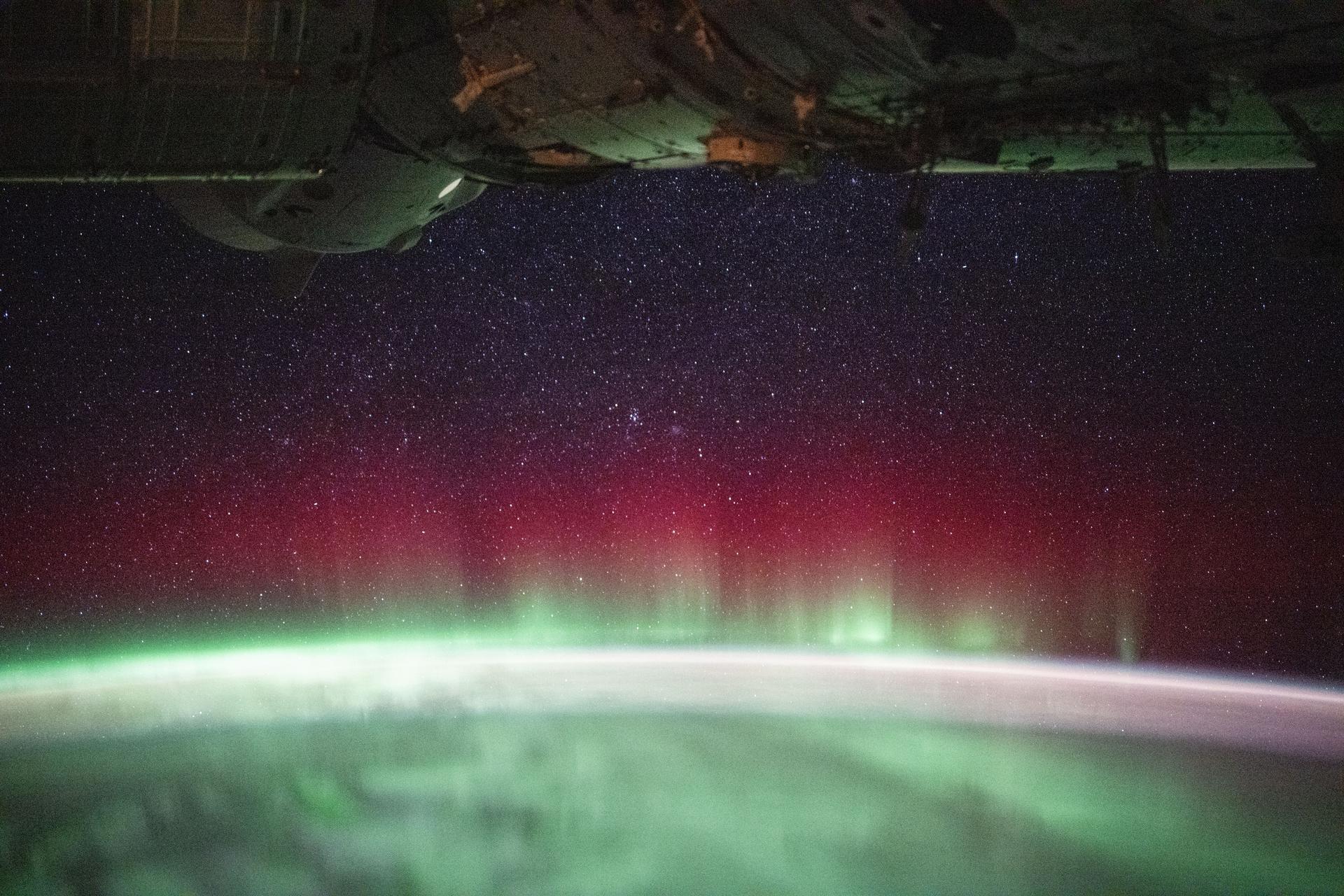
A vivid red and green aurora crowns Earth’s horizon over the southern Indian Ocean in this photo from the International Space Station as it orbited 270 miles above. At top left, a lit window reveals the docked SpaceX Dragon crew spacecraft docked to the orbital outpost's forward port on the Harmony module, set against a starry sky captured with long-exposure, low-light settings. · 点击图片查看原图查看原文全部插图(9 幅)
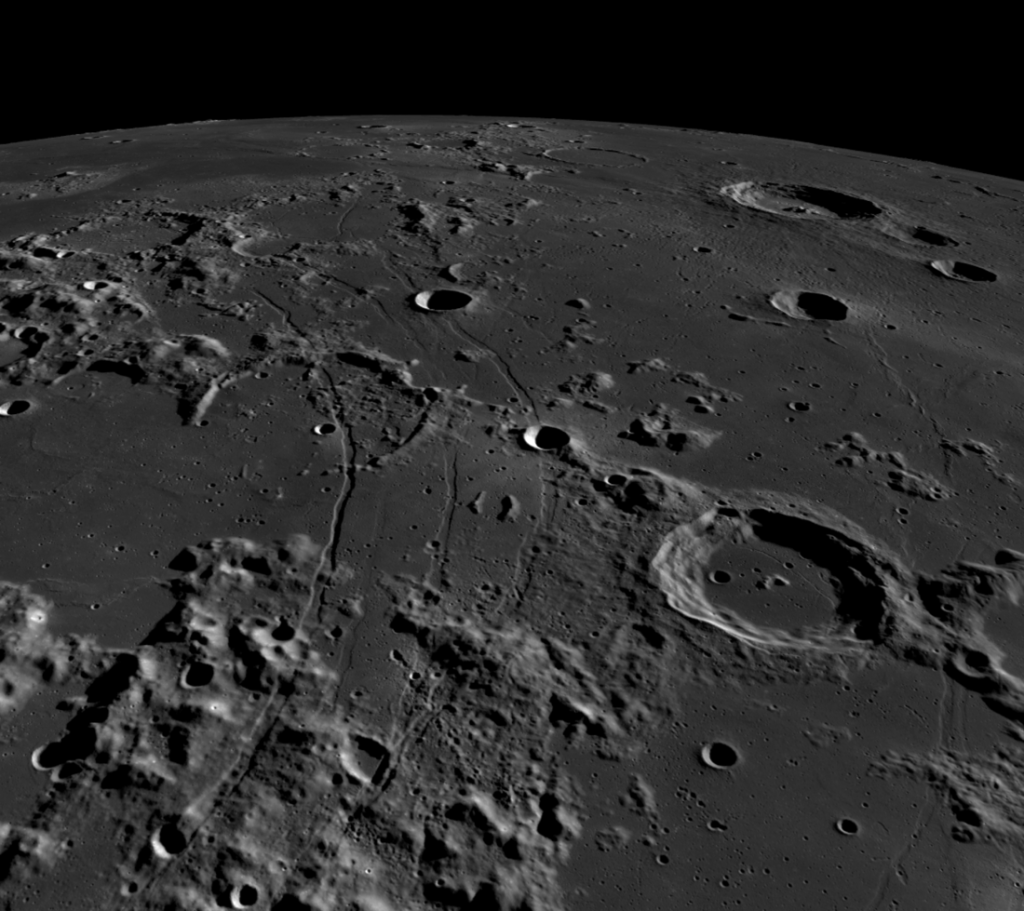
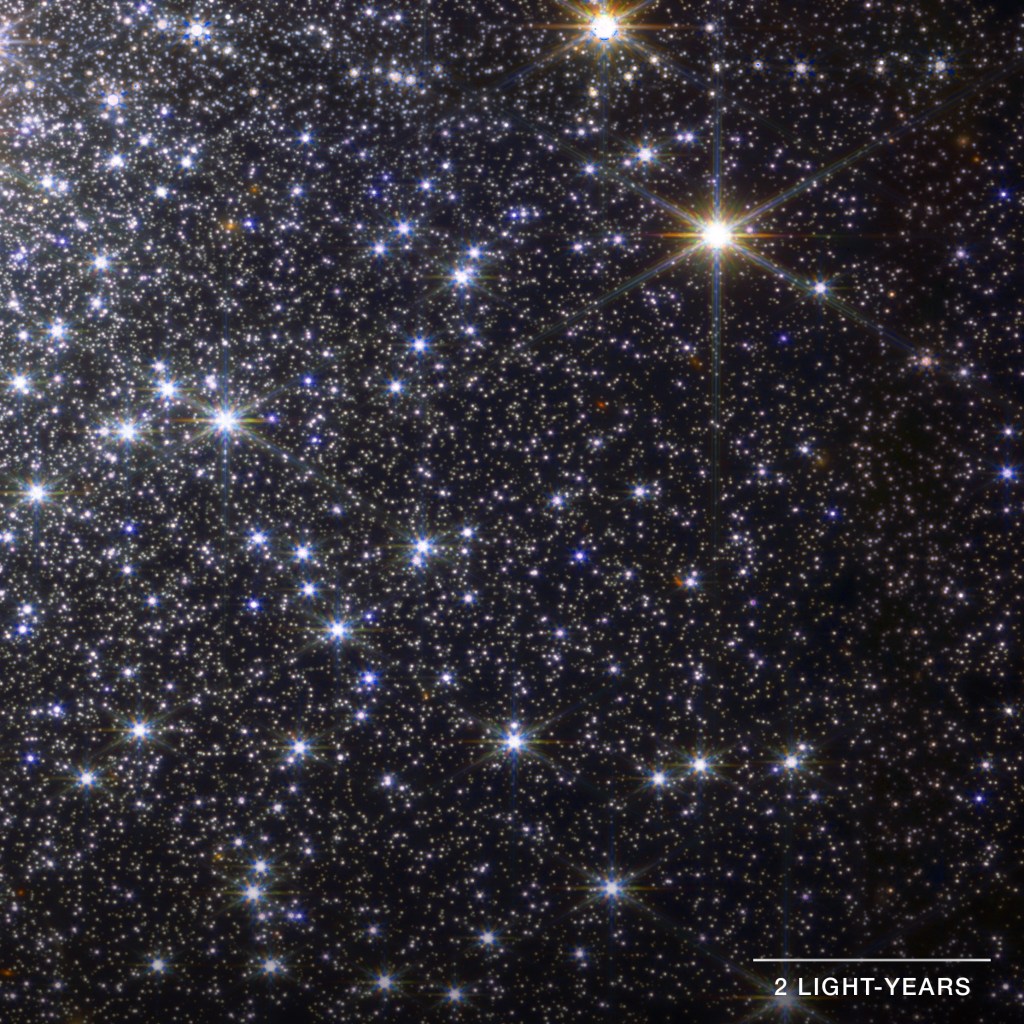
Human Spaceflight Standards logoLunar surface imageSquare image filled with blue, white, yellow, and red points of light of different size and brightness, most of which are stars. The larger and brighter stars show Webb’s distinctive diffraction pattern consisting of eight spikes radiating from the center. At the lower right is a scale bar labeled 2 light-years. The scale bar is two-ninths the width of the image, and shows that throughout the image, the distance between adjacent stars is a fraction of one light-year. The density of stars and brightness of the image is greatest in the upper left portion of the image where the stars are much closer together, and decreases gradually toward the bottom right where they are farther apart. The number of larger, brighter stars also appears to decrease from the upper left toward the lower right.
内容提要 本文建议在利用模拟结果进行决策时应保持谨慎。输出数据的权重应根据其可信度进行适当调整。
原文全文译文
强烈建议在使用模拟结果时务必谨慎,且输出结果应根据其在辅助决策方面的可信度进行适当加权。
It is strongly recommended that care be taken when using the results of the simulation and the output should be weighted appropriately for its level of credibility with respect to informing any decision making.