查看原文全部插图(19 幅)




内容提要
AstroNav 是一项旨在实现航天器自主导航的技术演示,使航天器能够实时确定自身位置并规划轨道。该系统将通过 NASA 的 CAPSTONE 02 任务在月球轨道进行验证,从而减少对地球地面站的依赖。
原文全文译文
为探索月球(Moon)、火星(Mars)和深空(deep space)的自给自足型航天器实现实时(real time)、自主导航。
Enabling real-time, autonomous navigation for self-reliant spacecraft exploring the Moon, Mars, and deep space.
任务类型
Mission Type
技术演示
Technology Demonstration
合作伙伴
Partner
喷气推进实验室(Jet Propulsion Laboratory,JPL)
Jet Propulsion Laboratory
状态
STATUS
研发中
In Development
目的地
Destination
月球轨道(lunar orbit)
Lunar Orbit
简介
Introduction
AstroNav 仪器代表了深空探测领域的一次代际飞跃,它将航天器从依赖地球(Earth)指令的遥控载具,转变为能够立即对环境做出反应的自给自足型探测器。
The AstroNav instrument represents a generational leap forward in deep-space exploration, transforming spacecraft from remote-controlled vehicles, dependent on Earth for commands, into self-reliant explorers that can immediately react to their environment.
通过在航天器上直接实现实时导航更新,AstroNav 旨在使独立的航天任务(space mission)成为可能。AstroNav 将作为一项技术演示,在美国国家航天局(NASA)的 CAPSTONE 02 任务中验证其能力,该任务计划于 2027 年末发射,目的地为月球轨道。
By enabling real-time navigation updates directly on board, AstroNav is designed to make independent space missions possible. AstroNav will validate its capabilities as a tech demo on NASA’s CAPSTONE 02 mission to lunar orbit, which is targeted for launch in late-2027.
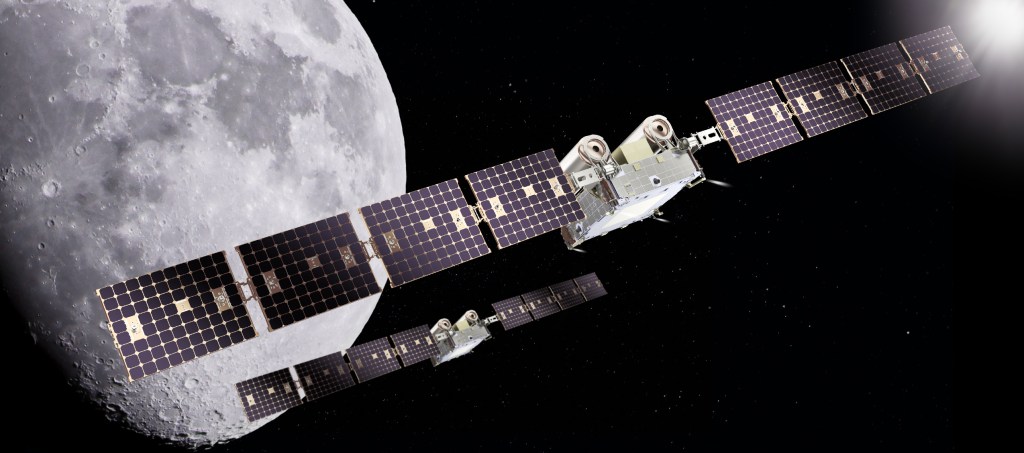
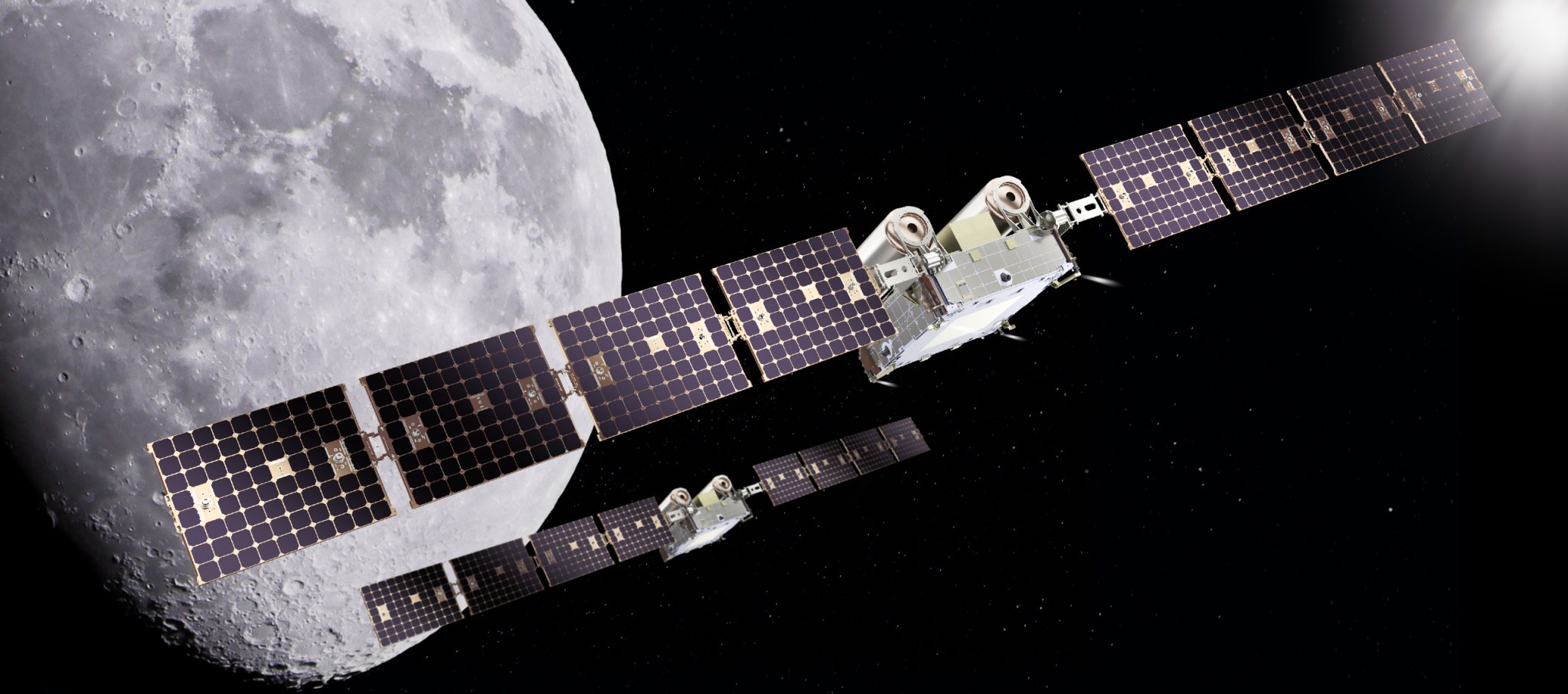
图注:NASA CAPSTONE 02 航天器在月球轨道运行的艺术渲染图。该任务包含两颗相同的微型航天器,将进一步成熟相关技术,以支持阿尔忒弥斯(Artemis)计划、月球基地和深空探测。
An artist’s rendering of NASA’s CAPSTONE 02 spacecraft in lunar orbit. The mission features two identical small spacecraft that will further mature technologies to support Artemis, Moon Base, and deep space exploration.
Terran Orbital
Terran Orbital
为何现在要构建 AstroNav?
Why Build AstroNav Now?
人类正在进入一个分布式探测的新时代——月球基地、小行星(asteroid)任务、行星(planet)轨道器和深空探测器(space probe)正在同时运行。
Humanity is entering a new era of distributed exploration — lunar bases, asteroid missions, planetary orbiters, and deep-space probes operating simultaneously.
随着通信网络变得拥挤,任务推进得越来越远,实时自主性变得至关重要。AstroNav 代表了迈向自给自足型航天器的下一步,它们能够即时进行导航更新,从而支持对月球、火星及更远区域的可持续空间探测(space exploration)。
As communication networks become congested and missions push farther out, real-time autonomy becomes essential. AstroNav represents the next step toward self-reliant spacecraft that can make navigation updates instantly — supporting sustainable exploration of the Moon, Mars, and beyond.
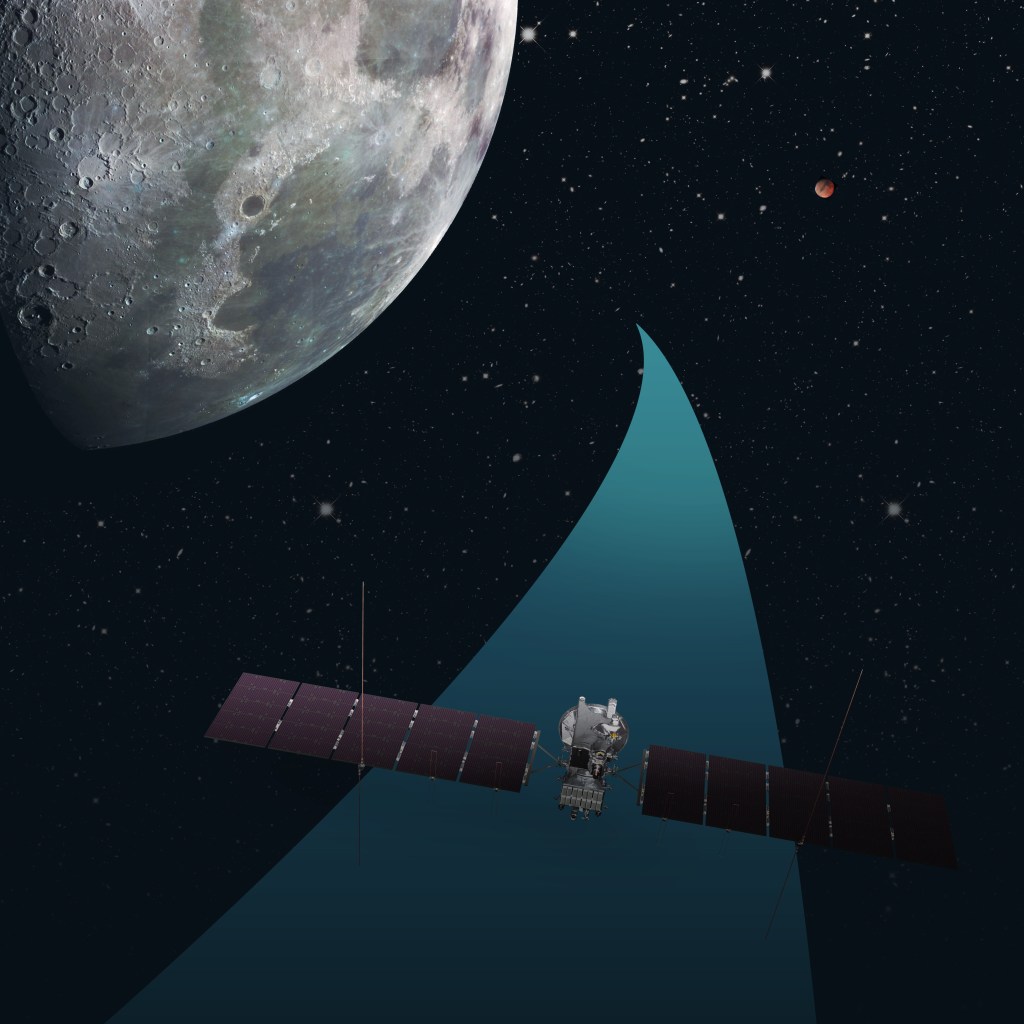
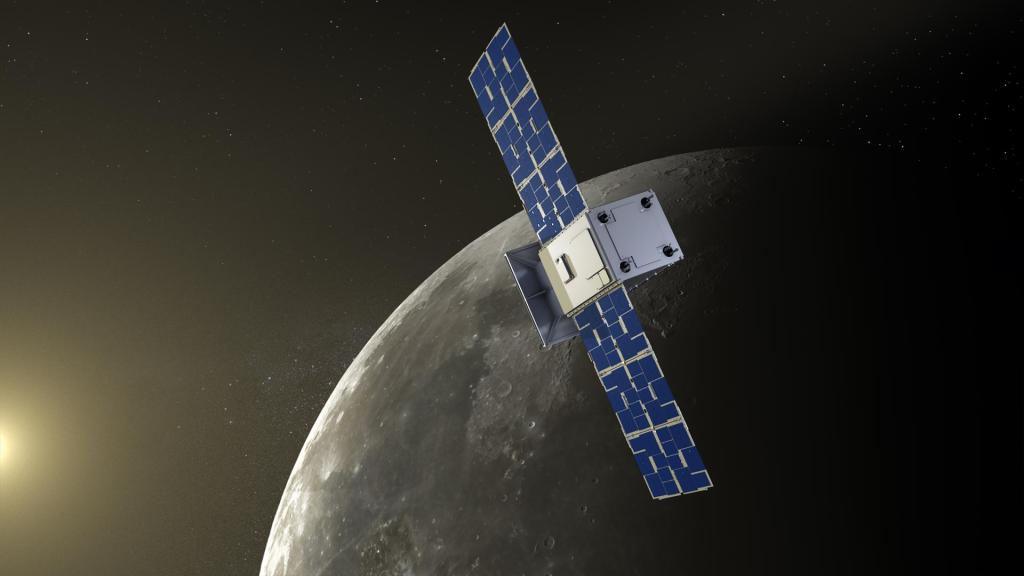
图注:这张艺术渲染图展示了一艘航天器在前往深空的途中,围绕月球自主导航。未来,复杂的任务将需要在不依赖地球操作员指挥的情况下,做出实时导航决策。
This artist’s rendering shows a spacecraft navigating its own path around the Moon on its way to deep space. In the future, sophisticated missions will need to make real-time navigation decisions without depending on operators directing them from Earth.
NASA/JPL-Caltech
NASA/JPL-Caltech
问题所在
The Problem
目前的深空任务严重依赖基于地球的导航,需要与地面站(ground station)保持近乎持续的通信,并需要庞大的团队来确定航天器的位置。
Deep space missions currently rely heavily on Earth-based navigation, requiring near constant communication with ground stations and a standing army of people to figure out where the spacecraft is.
这种依赖性限制了对遥远天体的探测,阻碍了航天器的自主性,由于涉及巨大的距离,造成了不必要的延迟,并显著增加了操作成本和复杂性。AstroNav 通过使航天器能够实时确定并控制其自身轨道(无需来自地球的持续更新)消除了这一瓶颈。它减少了延迟,提高了任务安全性,并允许航天器编队在即使超出地球通信范围的情况下也能独立运行。
This dependency limits exploration of distant objects, hinders spacecraft autonomy, creates unnecessary delays due to the vast distances involved, and significantly increases operational cost and complexity. AstroNav eliminates that bottleneck by enabling spacecraft to determine and control their own trajectory in real time — without constant updates from Earth. It reduces latency, improves mission safety, and allows fleets of spacecraft to operate independently, even far beyond Earth’s communication reach.
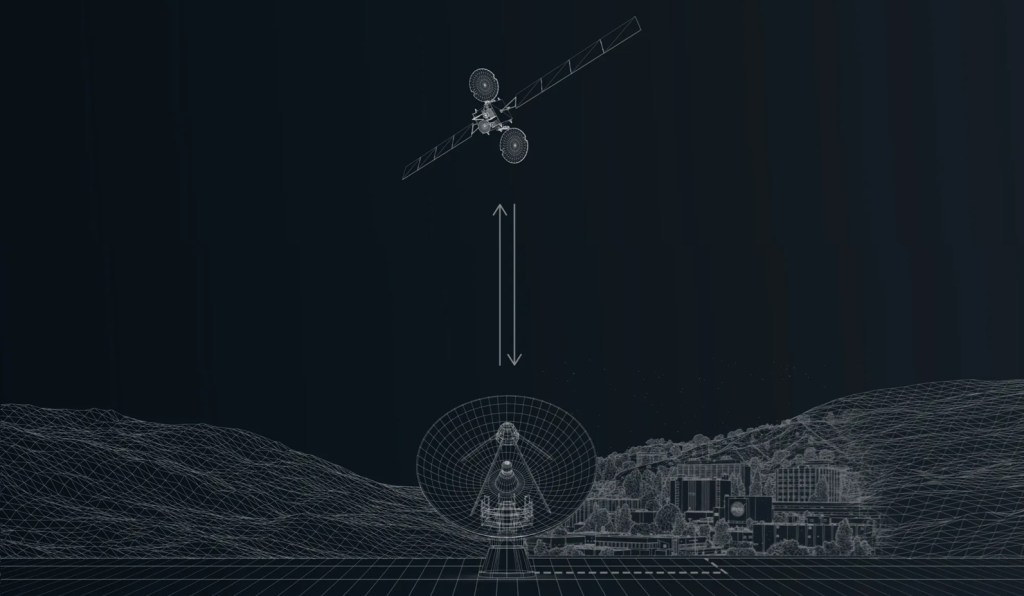
图注:该图表显示了当前的航天任务如何依赖与地球的双向无线电通信,这导致了决策延迟并增加了运营成本。
This diagram shows how current space missions depend on 2-way radio communications with Earth, which creates delays in decision making and increases operational costs.
NASA/JPL-Caltech
NASA/JPL-Caltech
解决方案
A Solution
解决方案就是 AstroNav,这是一种星载自主导航系统,使航天器能够在不完全依赖地球的情况下,知道自己身在何处并控制其航向。
A solution is AstroNav, an onboard autonomous navigation system that gives spacecraft the ability to know where they are — and control where they’re going — without relying solely on Earth.
通过结合先进算法和来自多个来源的传感器数据,AstroNav 可以实时计算航天器的位置和速度,并设计机动方案以引导其到达目标。这消除了对深空探测网(Deep Space Network)进行常规更新的关键依赖,使任务能够对新情况做出即时反应,节省通信带宽,并即使在与地球的联系延迟或中断时也能安全运行。本质上,AstroNav 将航天器从遥控设备转变为自给自足的探测器。
By combining advanced algorithms and sensor data from multiple sources, AstroNav computes the spacecraft’s position and velocity in real time and designs maneuvers to guide it towards its target. This removes critical dependence on the Deep Space Network for routine updates, allowing missions to react instantly to new conditions, conserve communication bandwidth, and operate safely even when contact with Earth is delayed or interrupted. In essence, AstroNav transforms spacecraft from being remote-controlled to being self-reliant explorers.
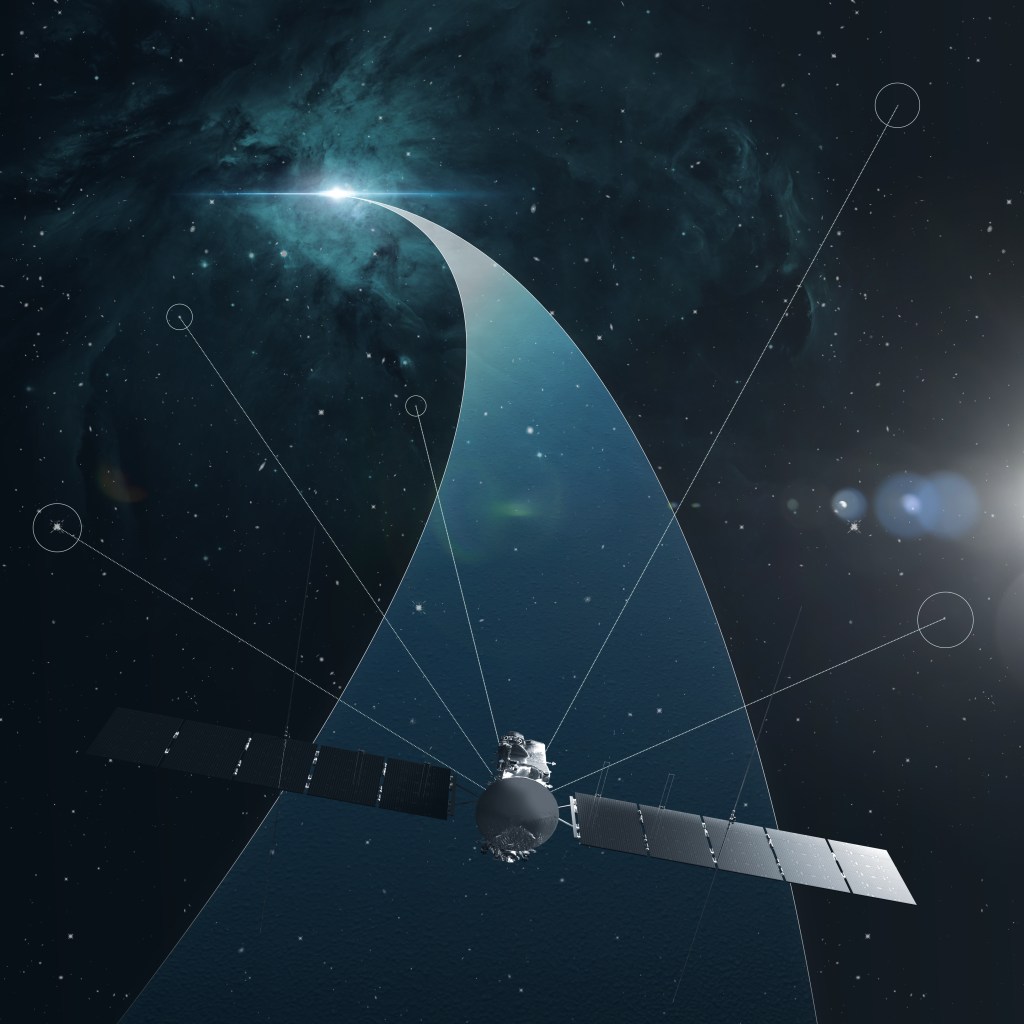
图注:这张艺术渲染图展示了一艘航天器利用来自多个来源的传感器数据在深空中自主导航,以帮助其实时了解自身的位置和速度。
This artist’s rendering shows a spacecraft navigating itself through deep space, using sensor data from multiple sources, to help it understand its position and velocity in real time.
NASA/JPL-Caltech
NASA/JPL-Caltec
AstroNav 的工作原理
How AstroNav Works
“眼睛”
Eyes
AstroNav 收集各种行星天体(如小行星、行星和恒星(star))的光学图像。这些数据提供了指向这些天体的方位和距离。
AstroNav collects optical imagery of various planetary objects, such as asteroids, planets, and stars. This data provides the bearing and range to these objects.
“耳朵”
Ears
当与原子钟(atomic clock)配对时,AstroNav 可以测量来自地球的精确多普勒信号和测距信号。
AstroNav measures precise Doppler and a range signals from Earth when paired with an atomic clock.
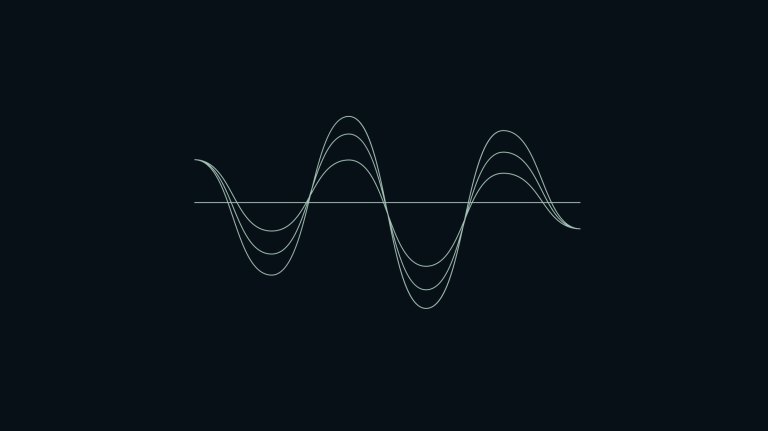
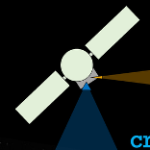
图注:重叠波频率的线条艺术图标。
A line-art icon of overlapping wave frequencies.
NASA/JPL-Caltech
NASA/JPL-Caltech
“大脑”
Brain
利用星载传感器,AstroNav 在太阳系(solar system)中自主确定航天器的轨道,并通过概率估计不断提高精度。
Using the onboard sensors, AstroNav determines the spacecraft’s trajectory in the solar system autonomously, continuously refining accuracy through probabilistic estimation.
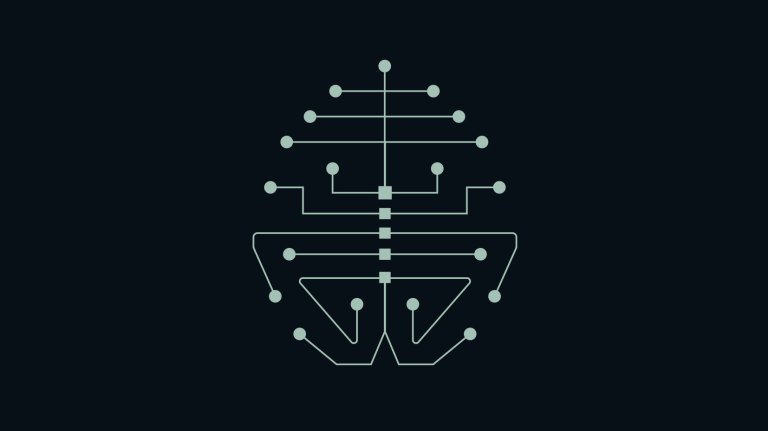
图注:代表自主航天器大脑的程式化线条绘图。
A stylized line drawing of an icon representing an autonomous spacecraft’s brain.
NASA/JPL-Caltech
NASA/JPL-Caltech
CAPSTONE 02 及其他导航技术演示
CAPSTONE 02 AND OTHER NAVIGATION TECH DEMOS
CAPSTONE 02
CAPSTONE 02
CAPSTONE 02 任务将演示交会对接和近距离操作、自主导航以及地月空间通信能力,同时继续表征月球的辐射环境。
CAPSTONE 02 mission will demonstrate rendezvous and proximity operations, autonomous navigation, and cislunar communication capabilities while continuing to characterize the radiation environment at the Moon.
autoNGC
autoNGC
自主导航、制导与控制(Autonomous Navigation, Guidance & Control)是一套星载软件套件,集成了目前在星载系统和地面系统之间分配的航天器制导、导航和控制功能。
Autonomous Navigation, Guidance & Control is an onboard software suite that integrates spacecraft guidance, navigation, and control functions that are currently split between onboard and ground systems.
TRON
TRON
目标与距离自适应光学导航(Target & Range-adaptive Optical Navigation,TRON)系统是一种双摄像头光学导航工具,支持多种技术,可根据距离从多个目标图像中提取导航信息。
The Target & Range-adaptive Optical Navigation (TRON) system is a dual-camera opnav tool that supports a variety of techniques to extract navigation information from images of multiple targets depending on range.
精选报道
Featured Story
NASA 宣布在月球开展新的航天器技术演示任务
NASA Announces New Spacecraft Technology Demonstration Mission at Moon
NASA 正在与业界合作,为该机构的阿尔忒弥斯计划和月球推进下一阶段的地月空间基础设施建设。
NASA is working with industry to advance the next phase of cislunar infrastructure for the agency’s Artemis program and Moon…
来源与许可
原文来自公共领域来源;译文由机器生成,请以原文为准。 原始页面