内容提要
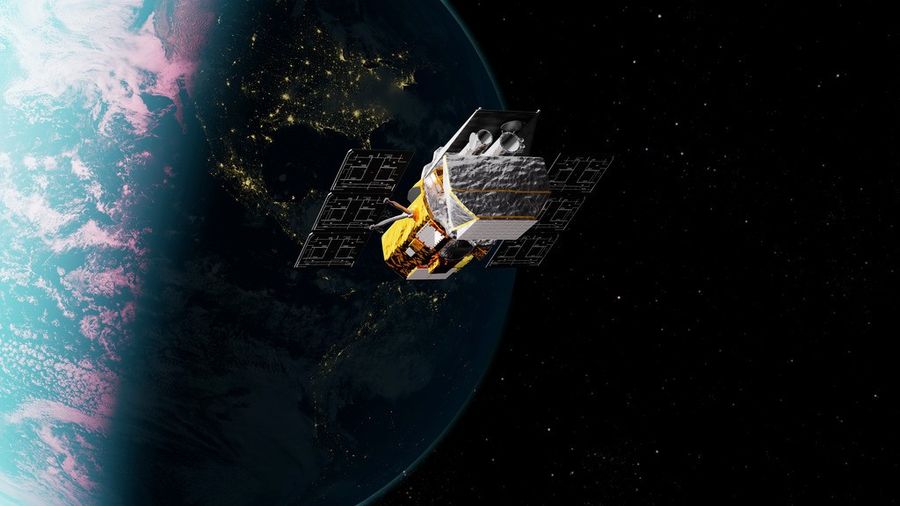
由于 LINK 航天器出现姿态控制问题,美国国家航天局(NASA)宣布该任务将无法按计划提升格雷尔斯雨燕天文台(Neil Gehrels Swift Observatory)的轨道高度。尽管如此,LINK 仍将尝试进行交会与近距离操作,以验证未来空间探测的关键技术能力。
原文全文译文
由于持续存在的商业航天器姿态控制(attitude control)问题,美国国家航天局(NASA)与 Katalyst Space 于周三宣布,LINK 航天器将不会按计划捕获或助推该局的一颗卫星至更高轨道以延长其科学任务。然而,LINK 仍将尝试与 NASA 的格雷尔斯雨燕天文台(Neil Gehrels Swift Observatory)进行交会和近距离操作,以展示未来空间探测(space exploration)的关键能力。
Due to an ongoing commercial spacecraft attitude control issue, NASA and Katalyst Space announced Wednesday the LINK spacecraft will not capture or boost an agency satellite to a higher altitude to extend its science mission as planned. However, LINK still will attempt to conduct rendezvous and proximity operations with NASA’s Neil Gehrels Swift Observatory to demonstrate key capabilities for the future of space exploration.
“NASA 应当愿意在潜在回报值得时迅速行动并承担明智的风险,而这正是我们在本次任务中所做的,”NASA 局长 Jared Isaacman 表示。“这不是我们所期望的结果,但这并不改变这项任务值得尝试的原因。团队以非凡的速度行动,旨在让 Swift 有机会开展更多科学研究,同时推进美国未来卫星服务所需的能力。我们将从 LINK 的交会尝试中汲取一切可能的经验,并将这些教训应用于后续任务中。”
“NASA should be willing to move quickly and take smart risks when the potential return is worth it, and that is exactly what we did with this mission,” said NASA Administrator Jared Isaacman. “This is not the outcome we were working toward, but it does not change why this mission was worth attempting. The team moved with extraordinary speed to give Swift a chance to carry out more science while advancing capabilities America will need for satellite servicing in the future. We are going to learn everything we can from LINK’s rendezvous attempt and put those lessons to work on the missions that follow.”
NASA 与 Katalyst 正在密切合作,评估交会的后续步骤,并尽可能多地收集数据,为未来的卫星服务操作提供参考。
NASA and Katalyst are working closely to assess next steps for rendezvous and gather as much data as possible to inform future satellite servicing operations.
“我们知道这是一项高风险、高回报的任务——这是一次史无前例的尝试,是在太阳活动(solar activity)驱动的前所未有的时间表下开发的,”NASA 总部天体物理学(Astrophysics)部门主任 Shawn Domagal-Goldman 在华盛顿表示。“我们都希望 Swift 能产出更多科学成果。但我们知道,无论结果如何,从这次任务中获得的经验都将是有价值的,而且到目前为止,我们通过一系列成就已经收获颇丰。”
“We knew this was a high-risk, high-reward mission – a first-of-its kind attempt, developed on an unprecedented timeline driven by the Sun’s activity,” said Shawn Domagal-Goldman, director, Astrophysics Division, NASA Headquarters in Washington. “We were all hoping for more science from Swift. But we knew the takeaways from this mission would be worthwhile either way, and we have gained so much through the series of accomplishments up to this point.”
若无干预,NASA 预计 Swift 很可能在今年晚些时候重新进入地球(Earth)大气层。作为该局此前针对 Swift 寿命终结规划的一部分,NASA 将继续优先寻找新方案以快速响应宇宙(universe)事件,同时利用现有任务来填补期间的空白。
Without intervention, NASA anticipates Swift is likely to re-enter Earth’s atmosphere later this year. As part of the agency’s previous planning for Swift’s end of life, NASA will continue to prioritize finding new options to react rapidly to cosmic events, using current missions to help fill the gap in the meantime.
“建造、测试和运行这项任务已经加强了美国的航天工业渠道,以全新的方式推进了在轨服务能力,”Domagal-Goldman 说。“NASA 致力于支持我们的商业供应商,与该局共同承担艰巨任务,以突破可能的边界。我们为这个团队感到自豪,因为他们:在记录时刻(record time)抵达了发射台(launch pad),并在 NASA 天体物理学发射创纪录的一年中完成了任务;在这一过程中展现了创新的问题解决能力;并对该任务接下来将尝试展示的令人兴奋的能力表现出了奉献精神。”
“Building, testing, and operating this mission has already strengthened America’s space industry pipeline, advancing in-space servicing capabilities in completely new ways,” Domagal-Goldman said. “NASA is committed to supporting our commercial vendors as they take on difficult tasks with the agency, to push the boundaries of what’s possible. We’re so proud of this team for: getting to the launch pad in record time, in a record-setting year for NASA astrophysics launches; its innovative problem-solving up to this point; and the dedication to the exciting capabilities this mission will attempt to demonstrate next.”
Swift 于 2004 年发射,旨在研究宇宙中最强大的爆炸——伽马射线暴,以及其他宇宙天体和事件。它最初设计为两年的主要任务。在经过 21 年的科学运行后,Swift 的近地轨道(low earth orbit)因太阳活动增加而开始迅速衰减。NASA 利用这一机会推进了美国的航天器服务技术,于 2025 年 9 月授予 Katalyst 一份合同,在不到一年的时间内为 Swift 实施一项机器人服务任务。
Swift was launched in 2004 to study gamma-ray bursts, the most powerful explosions in the universe, and other cosmic objects and events. It was designed for a two-year prime mission. After 21 years of science operations, Swift’s low Earth orbit began to rapidly decay because of increased solar activity. NASA used this opportunity to advance U.S. spacecraft servicing technology, awarding a contract to Katalyst in September 2025 to mount a robotic servicing mission for Swift in less than a year.
LINK 航天器于 7 月 3 日搭乘诺斯罗普·格鲁曼公司的 Pegasus XL 火箭从南太平洋的夸贾林环礁发射升空。团队在接下来的几周内与 LINK 建立了通信并进行了在轨检查,随后航天器出现了姿态控制问题。
The LINK spacecraft launched July 3 on a Northrop Grumman Pegasus XL rocket from Kwajalein Atoll in the South Pacific Ocean. Teams established communications with LINK and conducted in-orbit checkouts over the following weeks, before the spacecraft experienced attitude control issues.
了解更多来自 Katalyst 的信息,并关注 NASA 的 Swift 博客,以获取交会过程中的持续更新:
Learn more from Katalyst, and monitor NASA’s Swift blog for continued updates throughout rendezvous:
-完-
-end-
Alise Fisher
Alise Fisher
总部,华盛顿
Headquarters, Washington
202-358-2546
202-358-2546
来源与许可
原文来自公共领域来源;译文由机器生成,请以原文为准。 原作者:Lauren E. Low。 原始页面