查看原文全部插图(9 幅)
内容提要
美国国家航天局(NASA)格伦研究中心通过数十年的飞行测试,成功将实验室理论转化为实际应用。这些飞行研究不仅提升了航空安全与推进技术,还为空间探测任务提供了关键的验证与支持。
原文全文译文
许多NASA最重要的航空航天突破始于实验室,并最终在天空中得到验证。几十年来,位于克利夫兰的NASA格伦研究中心(NASA Glenn Research Center)的专家们进行了飞行测试——驾驶飞机进入结冰云层和精心定义的航线等目标环境。这种方法使他们能够直接在飞行中收集测量数据,提供了将实验室理论与实际性能联系起来的关键数据。
Many of NASA’s most important aerospace breakthroughs that began in the laboratory were ultimately proven in the sky. For decades, experts at NASA’s Glenn Research Center in Cleveland conducted flight tests — piloting aircraft into targeted environments such as icing clouds and carefully defined atmospheric routes. This approach allowed them to collect measurements directly in flight, providing critical data that linked laboratory theories to practical performance.
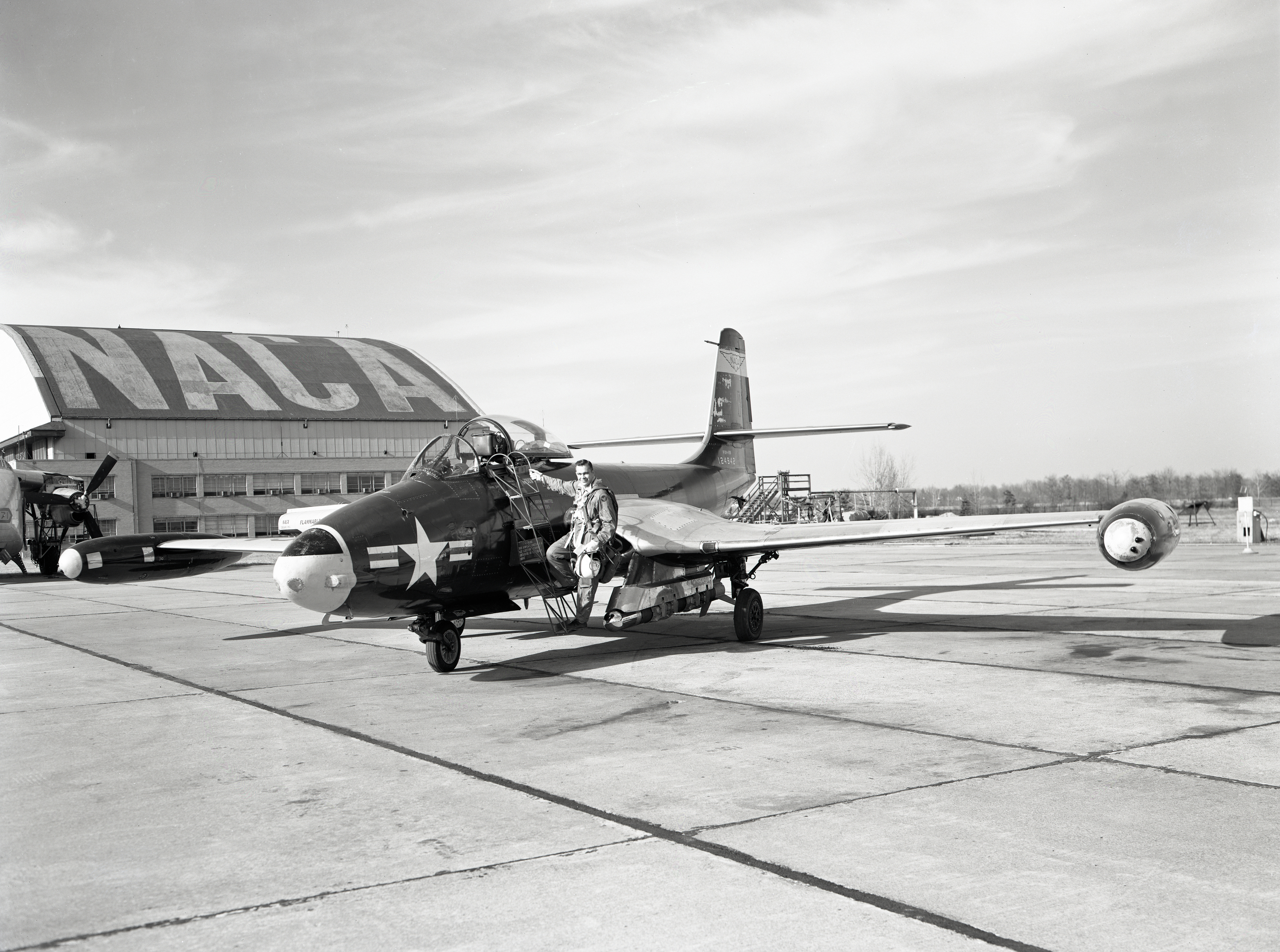
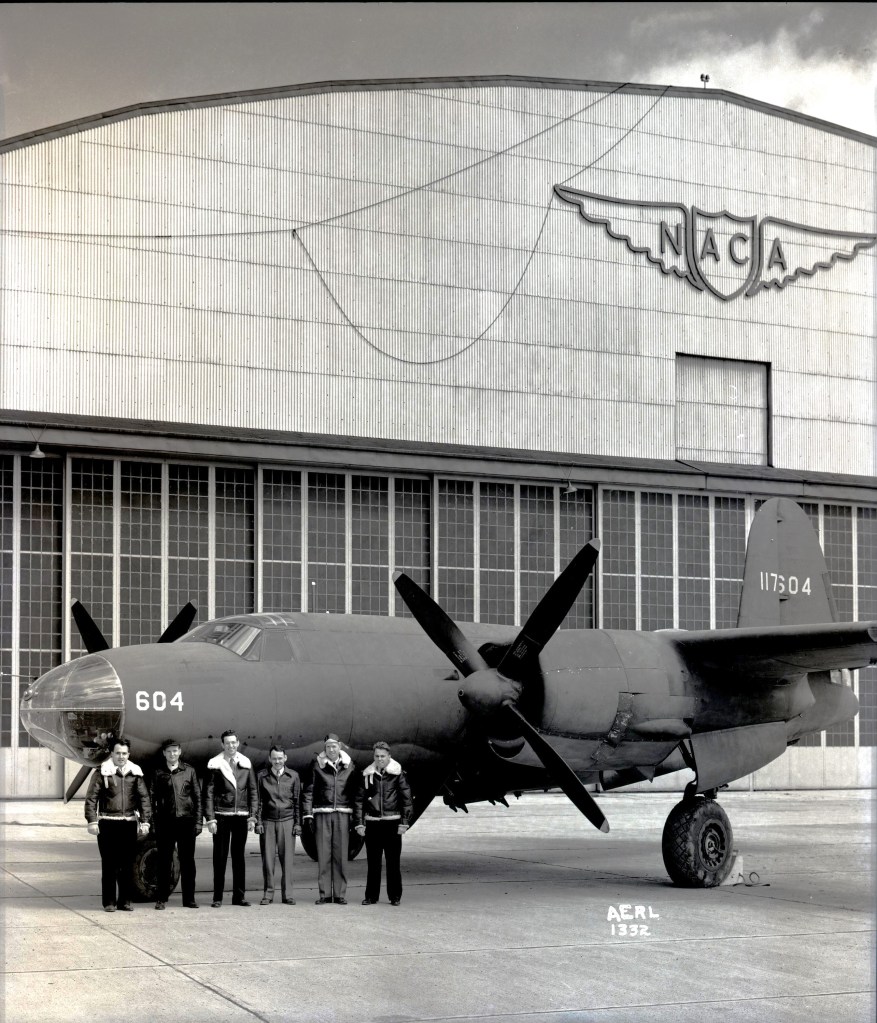
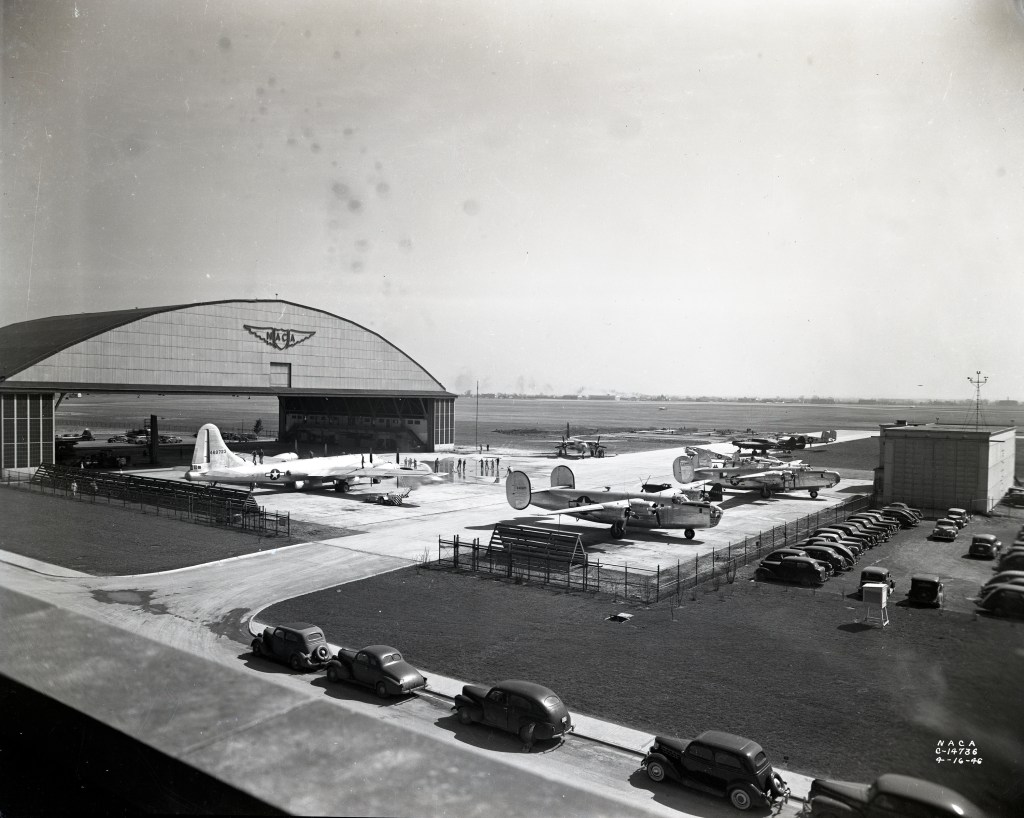
该中心的飞行研究始于20世纪40年代,当时NASA格伦被称为美国国家航空咨询委员会(National Advisory Committee for Aeronautics,NACA)的飞机发动机研究实验室,这是NASA的前身机构。在第二次世界大战期间,工程师和飞行员致力于提高飞机性能并增加高空可靠性。在20世纪40年代中后期,飞行研究帮助使早期的喷气发动机和冲压发动机变得实用。后来,格伦的飞行项目帮助提高了飞机发动机(主要是传统喷气发动机)的效率和环境性能。
The center’s flight research dates to the 1940s, when NASA Glenn was known as the Aircraft Engine Research Laboratory for the National Advisory Committee for Aeronautics, NASA’s predecessor agency. During World War II, engineers and pilots worked to improve aircraft performance and increase high-altitude reliability. In the mid-to-late-1940s, flight research helped make early jet and ramjet engines practical. Later, Glenn’s flight programs helped improve the efficiency and environmental performance of aircraft engines — primarily conventional jet engines.
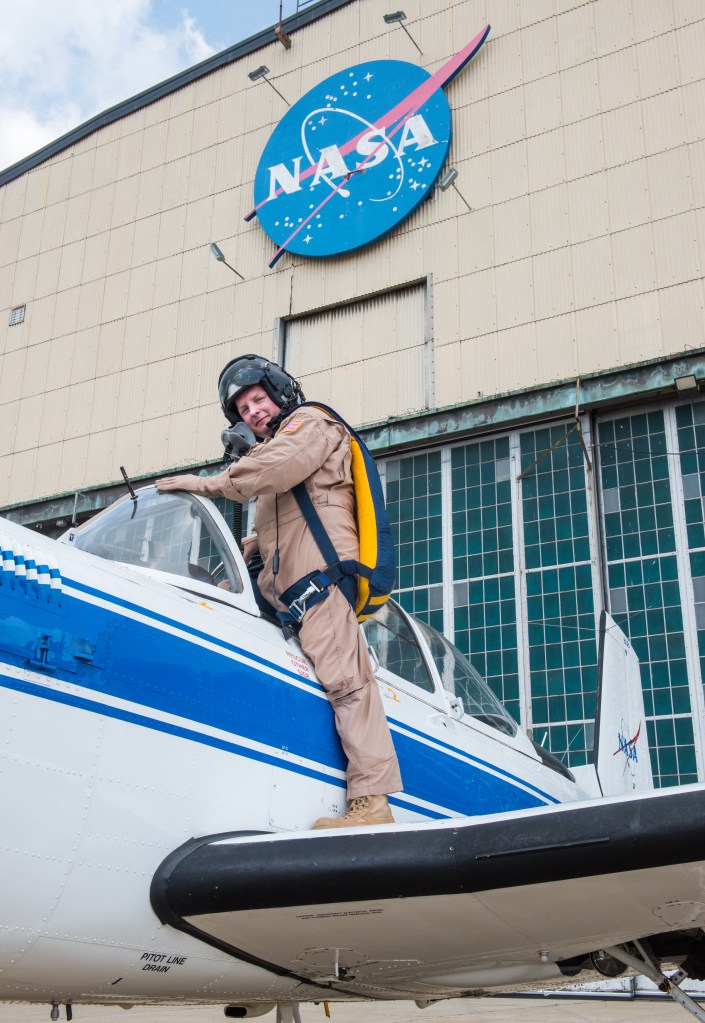
在这些早期飞行项目背后,是一群开拓性的飞行员,他们帮助建立了NASA格伦在机载研究方面的声誉。该中心的第一代飞行员,包括Howard Lilly、Joseph Walker、William Swann和William “Ed” Gough,为其他二十多名格伦飞行员奠定了基础,其中包括未来的宇航员Neil A. Armstrong和Fred Haise。
Behind those early flight programs was a pioneering group of pilots who helped establish NASA Glenn’s reputation for airborne research. The center’s first generation of pilots, including Howard Lilly, Joseph Walker, William Swann, and William “Ed” Gough, helped lay the groundwork for more than two dozen other Glenn pilots, including future astronauts Neil A. Armstrong and Fred Haise.
这些飞行员与格伦的研究人员、工程师和支持人员一起,建立了NASA至今仍依赖的机载研究能力。他们的工作证明了飞行测试如何能够弥合实验室研究与现实世界性能之间的差距。
Together with Glenn’s researchers, engineers, and support staff, these pilots established airborne research capabilities that NASA continues to rely on today. Their work demonstrated how flight testing could bridge the gap between laboratory research and real-world performance.
“这些任务将飞机变成了飞行实验室,”NASA安全官员兼飞行员Mark Russell说,他曾担任格伦飞机运营部门的前代理主管。“它们弥合了地面测试与全尺寸飞行之间的差距,证明了连接理论与性能所需的测量结果。这些测试还有助于验证后来在航天器和轨道任务中使用的技术和程序。”
“These missions transformed aircraft into flying laboratories,” said Mark Russell, a NASA safety officer and pilot who served as the former acting chief of Aircraft Operations at Glenn. “They bridged the gap between ground testing and full-scale flight, proving the measurements needed to connect theory with performance. The testing also helped validate technologies and procedures later used aboard spacecraft and orbital missions.”
研究主力
Research workhorses
从一开始,NASA就将其飞机投入到广泛的研究挑战中。
From the start, NASA put its aircraft to work on a wide range of research challenges.
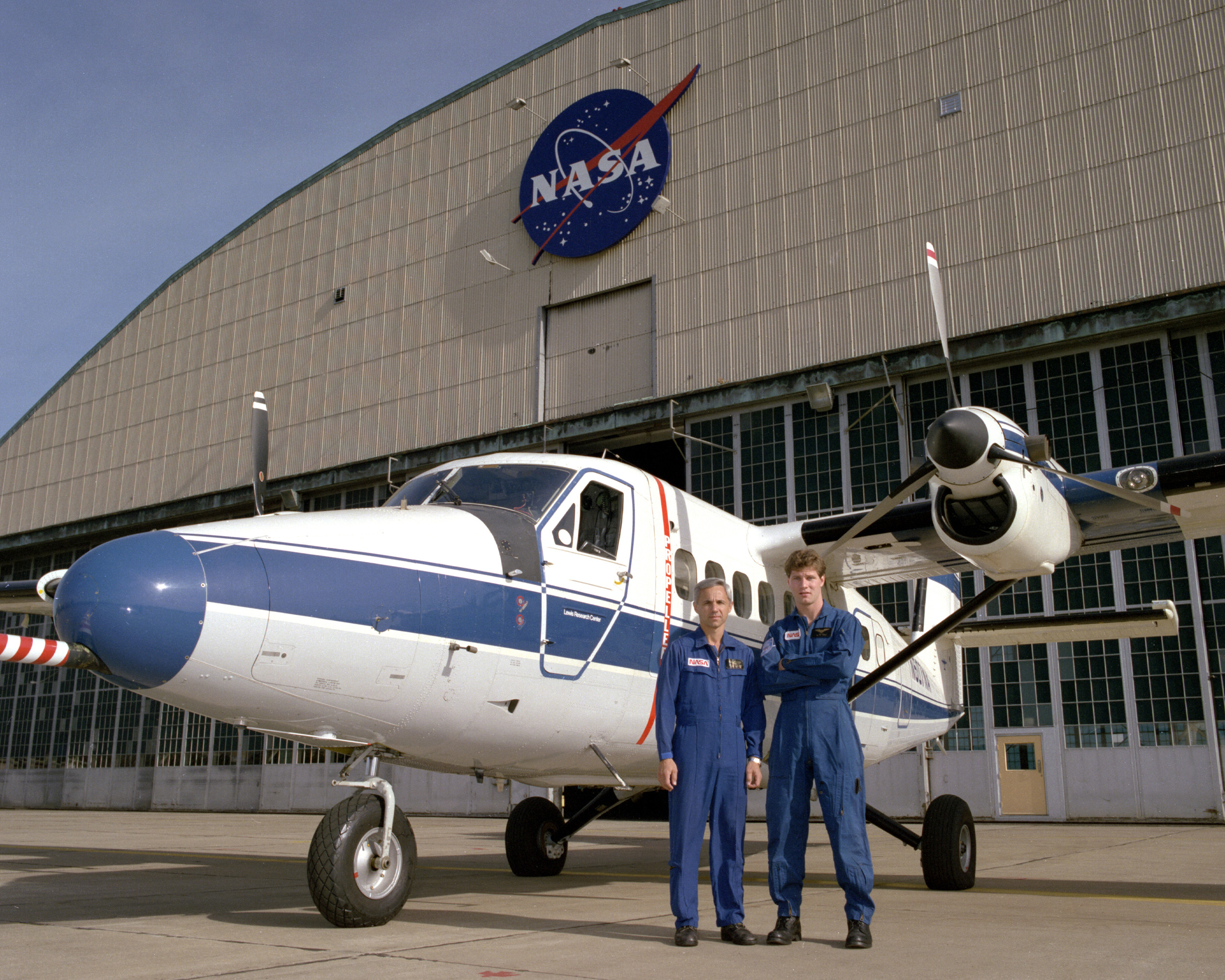
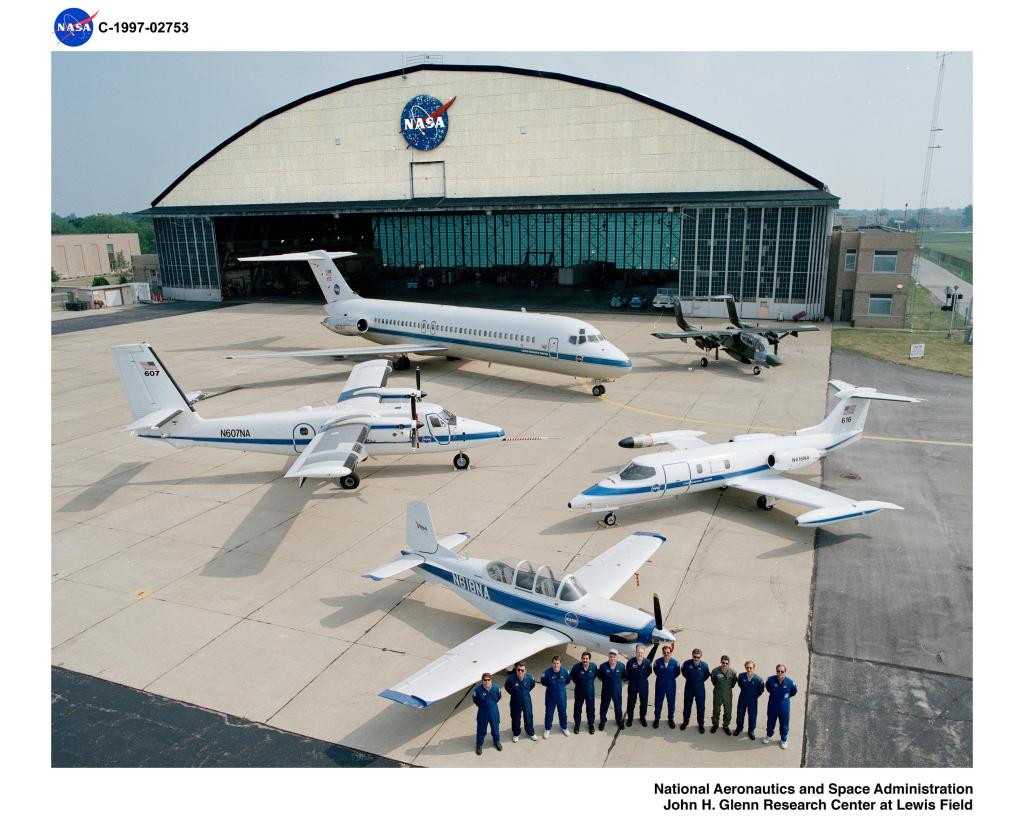
几十年来,NASA格伦的飞机一直被用于研究飞行中的结冰危险,收集的数据有助于提高商业航空的安全性。近40年来,NASA格伦的De Havilland DHC-6 Twin Otter一直是该中心结冰研究的主力机型,收集的数据有助于塑造现代航空安全标准。
For decades, NASA Glenn aircraft have been used to study in-flight icing hazards, collecting data that has helped make commercial aviation safer. For nearly 40 years, NASA Glenn’s De Havilland DHC-6 Twin Otter served as the center’s workhorse for icing research, gathering data that helped shape modern aviation safety standards.
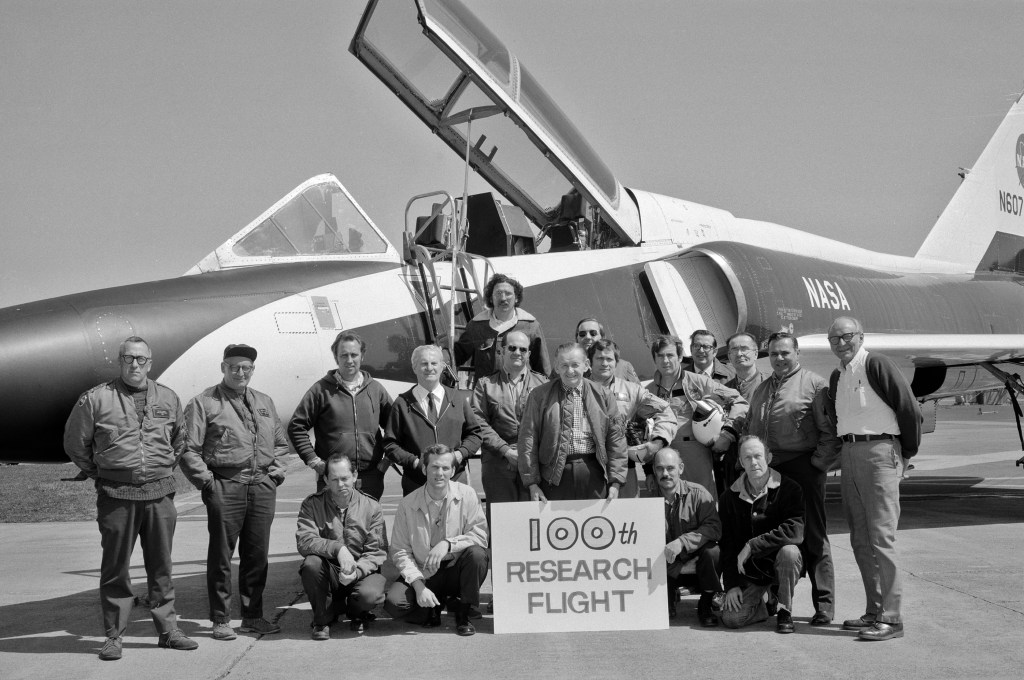
除了提高航空安全外,格伦的飞行研究还探索了可能改变飞行未来的新型推进技术。今天,研究人员正在探索氢作为航空燃料。但NASA格伦早在几十年前就利用其Martin B-57B Canberra飞机展示了其潜在的可行性。在为B-57B开发了氢燃料系统后,一个团队于1957年2月至4月对其进行了安全测试。这些飞行展示了该系统的可靠运行和先进效率,标志着航空技术的一个重要里程碑。
Beyond improving aviation safety, Glenn’s flight research also explored new propulsion technologies that could transform the future of flight. Today, researchers are exploring hydrogen as an aviation fuel. But NASA Glenn helped show its potential viability decades ago using its Martin B-57B Canberra aircraft. After developing a hydrogen fuel system for the B-57B, a team tested it safely from February to April 1957. The flights showed the system’s reliable operation and advanced efficiency, marking a major milestone in aviation technology.
飞行测试还支持了注定要在地球(Earth)之外使用的技术,帮助研究人员在与太空非常相似的条件下评估硬件。从1963年开始,该中心启动了一项计划,以测试和测量太阳能电池(solar cell)在类似太空条件下的工作情况。通过使用经过特殊改装的飞机(包括Learjets),NASA进行了多次飞行,以帮助重现太阳能电池在地球大气层外会经历的部分阳光和大气条件。该项目持续了数十年,通过多次高空飞行支持空间技术(space technology)校准,并随着时间的推移适应了更新的飞机。
Flight testing also supported technologies destined for use beyond Earth, helping researchers evaluate hardware under conditions that closely resembled space. Beginning in 1963, the center began a program to test and measure how well solar cells worked under conditions similar to those in space. Using specially modified airplanes, including Learjets, NASA conducted flights to help recreate some of the sunlight and atmospheric conditions that solar cells would experience outside Earth’s atmosphere. The program lasted decades, supporting space technology calibration through numerous high-altitude flights and adapting to newer aircraft over time.
研究人员后来将这些机载能力应用于环境科学,将其价值扩展到航空和空间技术之外。研究人员利用Twin Otter和S-3B Viking在五大湖上空飞行,通过测量水色和成分的变化来追踪伊利湖中有害的藻类水华。这些数据改进了用于监测水质和生态系统健康的卫星系(satellite system)。
Researchers later applied these airborne capabilities to environmental science, extending their value beyond aviation and space technology. Using the Twin Otter and S-3B Viking over the Great Lakes, researchers tracked harmful algal blooms on Lake Erie by measuring changes in water color and composition. The data improved satellite systems used to monitor water quality and ecosystem health.
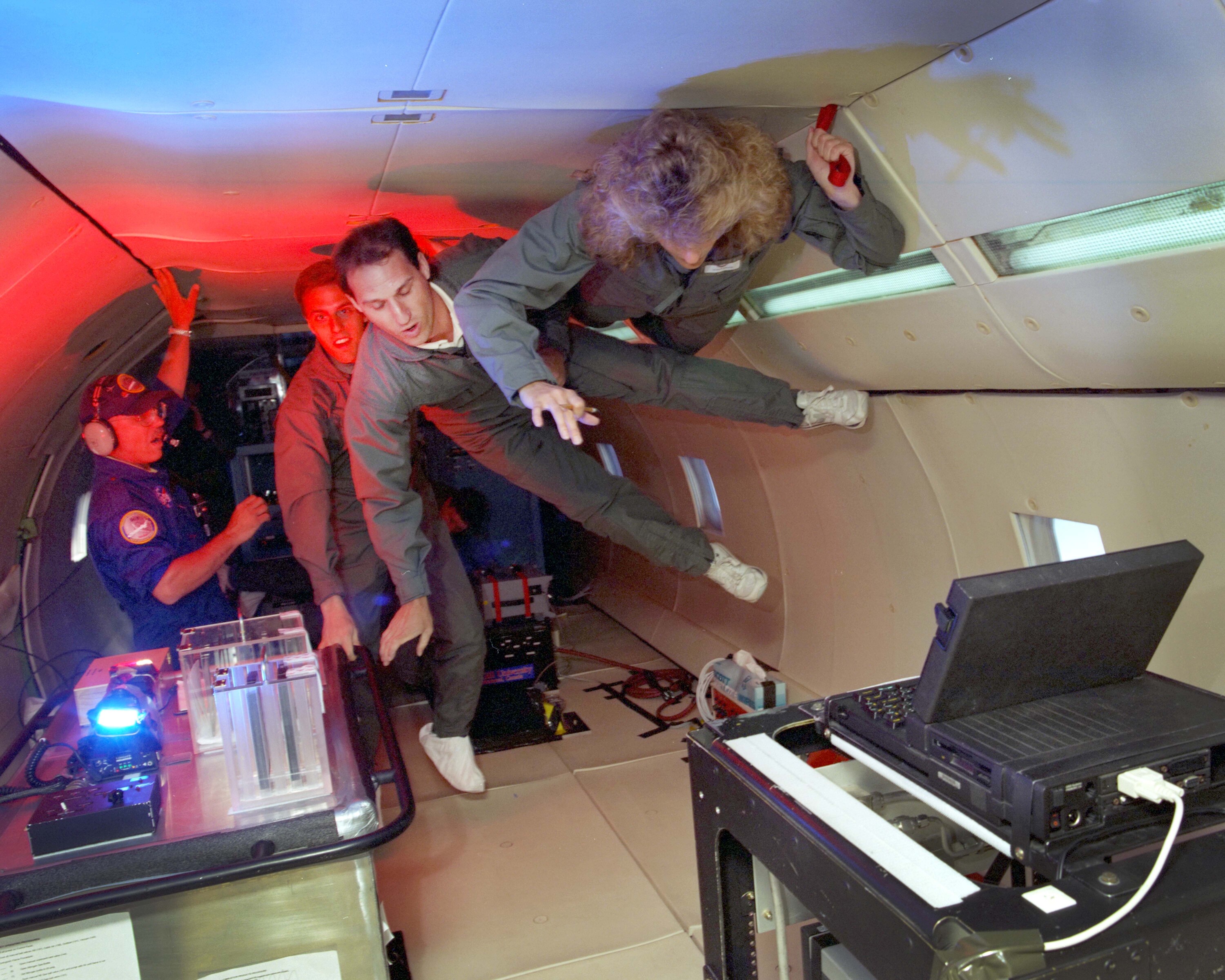
格伦的研究飞机还在通过微重力测试为航天飞行准备技术和实验方面发挥了重要作用。NASA格伦通过使用经过特殊改装的飞机(如DC-9)进行飞行测试,在抛物线机动期间产生短暂的失重状态,从而推进了微重力研究。这些飞行使研究人员能够在实验进入太空之前,研究流体、燃烧、材料和实验设备在近乎零重力下的表现。
Glenn’s research aircraft also played an important role in preparing technologies and experiments for spaceflight through microgravity testing. NASA Glenn advanced microgravity research through in-flight testing using specially modified aircraft, such as its DC-9, to create short periods of weightlessness during parabolic maneuvers. These flights allowed researchers to study how fluids, combustion, materials, and experimental equipment behaved in near-zero gravity before experiments were conducted in space.
近期突破
Recent breakthroughs
由格伦的飞行研究促成的其他重大成就包括:支持可持续航空技术的开发和测试(包括与更节能的发动机和可持续航空燃料相关的研究),以及推进在整个航空研究中使用的机载仪表和测量技术。
Other significant accomplishments enabled by Glenn’s flight research include supporting the development and testing of sustainable aviation technologies, including research related to more fuel-efficient engines and sustainable aviation fuels, and advancing in-flight instrumentation and measurement techniques used across aeronautics research.
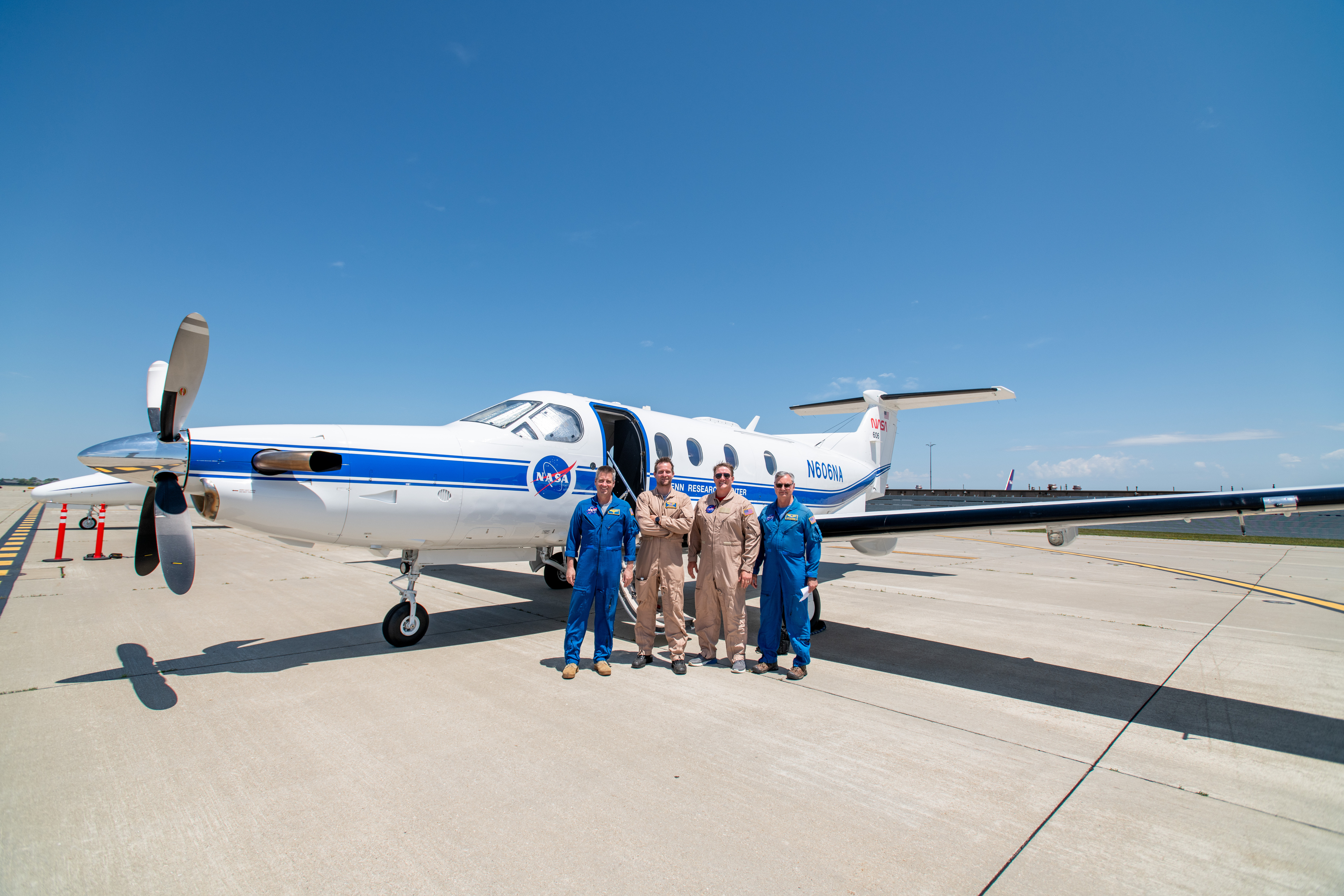
2024年,格伦的飞行运营部门利用该中心的Pilatus PC-12 NG飞机参与了一项光通信研究。该任务成功展示了通过激光通信系统在NASA遗留基础设施中传输大量数据的能力。这项工作为NASA推进未来任务光通信的更广泛努力做出了贡献。NASA进一步在Artemis II任务中测试了光通信,并在10天的旅程中有效地将大量数据从猎户座(Orion)舱传输到多个地面站(ground station)。
In 2024, Glenn’s Flight Operations participated in an optical communications study using the center’s Pilatus PC-12 NG aircraft. This mission successfully demonstrated the ability to transmit large volumes of data through a laser communication system across NASA’s legacy infrastructure. The work contributed to NASA’s broader effort to advance optical communications for future missions. NASA further tested optical communications on the Artemis II mission and effectively transmitted substantial amounts of data from the Orion capsule to multiple ground stations over the course of the 10-day journey.
随着NASA飞行研究事业的发展,该机构也重组了其研究飞机的管理方式。2025年10月,NASA精简了其飞机飞行运营,将其飞机从格伦转移到位于加利福尼亚州爱德华兹的NASA阿姆斯特朗飞行研究中心(NASA Armstrong Flight Research Center)。NASA格伦继续与阿姆斯特朗合作,进行重要的结冰和推进研究以及通信技术开发。
As NASA’s flight research enterprise evolved, the agency also restructured how it manages its research aircraft. In October 2025, NASA streamlined its aircraft flight operations, relocating its aircraft from Glenn to NASA’s Armstrong Flight Research Center in Edwards, California. NASA Glenn continues its important icing and propulsion research and communications technology development in collaboration with Armstrong.
从战时发动机开发的深厚历史根基,到现代的飞机安全工作,格伦的机载研究始终将创新理念从实验室推向现实应用。八十多年来,NASA格伦将最初在实验室中证明的理念转化为在天空中验证的创新——这一遗产继续塑造着航空和空间探测(space exploration)的未来。
From its historical roots in wartime engine development to modern work on aircraft safety, Glenn’s airborne research has consistently moved innovative ideas from the laboratory to real-world application. For more than eight decades, NASA Glenn has transformed ideas first proven in the laboratory into innovations validated in the sky — a legacy that continues to shape the future of aviation and space exploration.
来源与许可
原文来自公共领域来源;译文由机器生成,请以原文为准。 原作者:Heather Baeslack。 原始页面