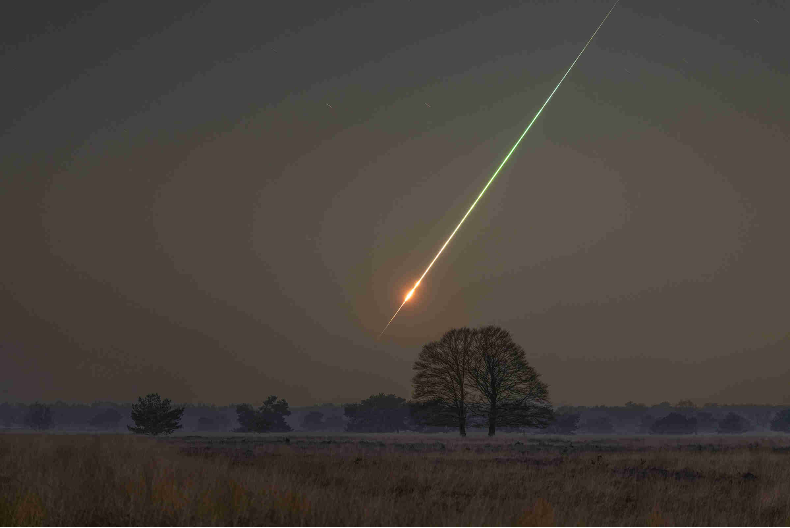
本文探讨了太空岩石穿过地球大气层并坠落地面的过程。科学家通过分析这一短暂的传播时间,研究岩石的起源及其在空中爆炸可能造成的潜在破坏。
At least once in our lives, we’ve all seen a bright streak of light briefly blaze across the sky and have quickly referred to it as an asteroid, meteor, shooting star, comet, or some other whimsical name we’ve heard others use to describe it. For those calling it a meteor, you would be correct, but we’ll touch upon this later. The time it takes for a space rock, bolide being its scientific name, to travel through Earth's atmosphere and crash into the ground literally takes only a few seconds. But what happens to a space rock during this very brief travel time, and how can scientists use this to learn about a specific space rock’s origin and the potential damage it could cause if it explodes in mid-air?
来源与许可
本站仅展示标题与摘要,正文版权归原作者及原发布机构所有。 原作者:Laurence Tognetti, MSc (https://www.universetoday.com/authors/laurencetognetti)。 原始页面