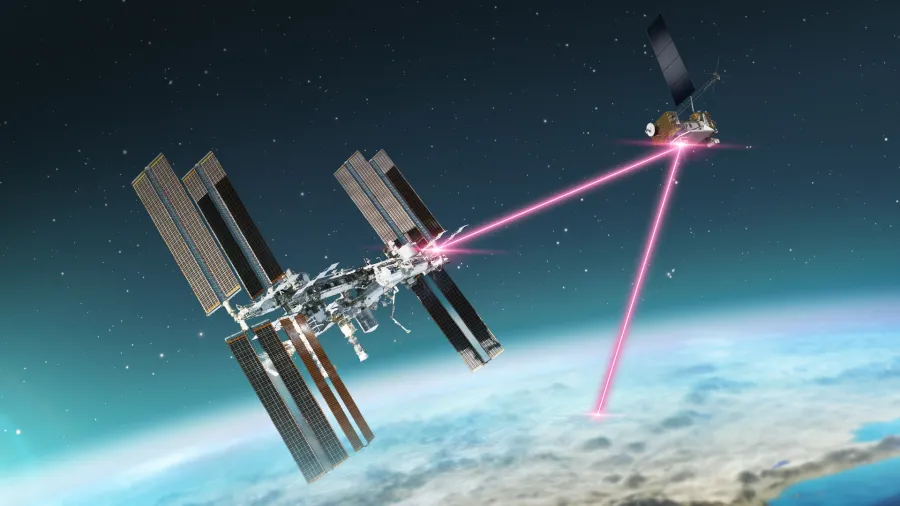
随着月地空间日益拥挤,现有的深空探测网在导航任务中面临巨大压力。麻省理工学院林肯实验室的研究人员提出了一种名为LightHOUSE的方案,通过部署三颗激光卫星构建深空导航系统,以解决月球探测任务中的定位难题。
Cislunar space is already getting crowded. And with that crowding comes infrastructure complications. One is navigation - there is no Global Positioning System available when you're not on the globe. Finding a spacecraft’s exact orbital path relies on networking with the Deep Space Network (DSN), a set of telescopes originally developed in the 1950s to communicate with spacecraft far afield. DSN itself is already getting overwhelmed with managing all of the missions requesting its time, so getting a precise orbital location currently can take hours. But researchers at MIT’s Lincoln Laboratory think they might have a solution for this - launching a fleet of three satellites to collectively create a deep-space navigational system known as the LIght High-Orbit Utility Signal Emitter - LightHOUSE.
来源与许可
本站仅展示标题与摘要,正文版权归原作者及原发布机构所有。 原作者:Andy Tomaswick (https://www.universetoday.com/authors/andy-tomaswick)。 原始页面