内容提要
搭载南希·格雷丝·罗曼空间望远镜的猎鹰重型运载火箭已顺利完成上升阶段的关键节点。目前,望远镜仍与火箭上面级相连,并将通过跟踪和数据传输卫星系统与地面建立通信。
原文全文译文
美国国家航天局(NASA)的罗曼空间望远镜:猎鹰重型运载火箭上面级接管任务
NASA’s Roman Space Telescope: Falcon Heavy Upper Stage Takes Over
搭载NASA的南希·格雷丝·罗曼空间望远镜(Nancy Grace Roman Space Telescope)的SpaceX猎鹰重型运载火箭(Falcon Heavy)已完成了一系列快速上升阶段的里程碑。
The SpaceX Falcon Heavy carrying NASA’s Nancy Grace Roman Space Telescope has completed a rapid series of ascent milestones.
中心芯级达到了磁层永坍缩体(MECO),几秒钟后,第一级和第二级分离。发射约四分钟后,第二级的梅林真空发动机(Merlin Vacuum engine)点火,进行了第一次上面级发动机启动(SES-1)。
The center core reached main engine cutoff, or MECO, and seconds later the first and second stages separated. The second stage’s Merlin Vacuum engine ignited for the first second-stage engine start, or SES-1, about four minutes after launch.
此后不久,猎鹰重型运载火箭的整流罩分离成两半并返回地球(Earth)。整流罩在飞行过程中稠密的低层大气(lower atmosphere)部分保护了罗曼空间望远镜,在火箭到达空气稀薄区域后便不再需要。
Shortly after that, the Falcon Heavy’s fairing separated into two halves and returned to Earth. The fairing protected Roman during the dense lower-atmosphere portion of flight and was no longer needed after the rocket reached thinner air.
任务控制人员计划通过NASA的跟踪和数据传输卫星系统(tracking and data-relay satellite system)获取来自该天文台的信号。
Mission controllers plan to acquire a signal from the observatory through NASA’s Tracking and Data Relay Satellite system.
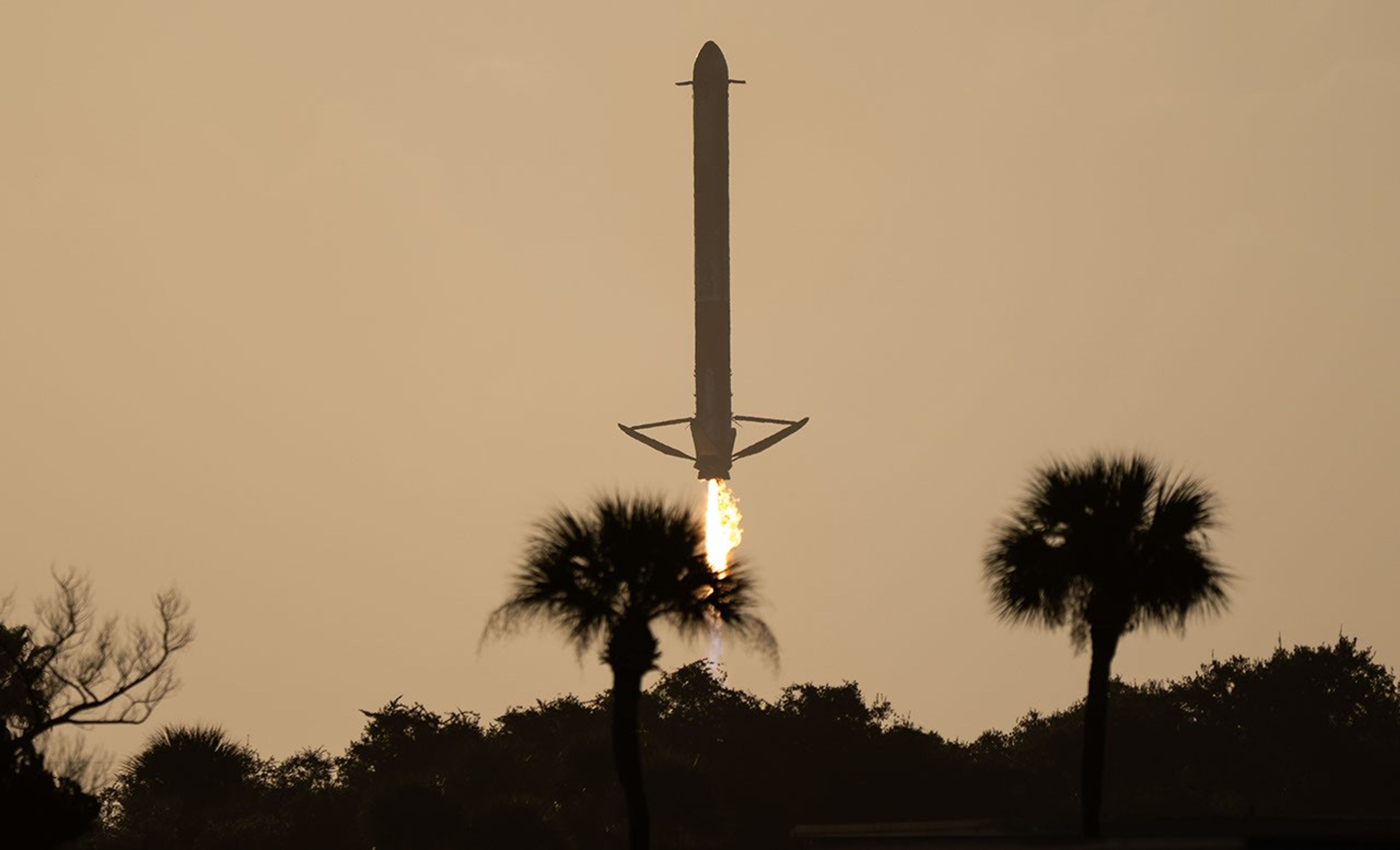
猎鹰重型运载火箭的两个侧助推器完成了返回佛罗里达州的飞行,分别降落在着陆区2(Landing Zone 2)和着陆区40(Landing Zone 40)。其中一个侧助推器完成了其首次飞行。另一个侧助推器在之前支持了环境应用静地卫星(GOES)-U和Viasat-3 F3任务后,完成了其第三次飞行。
Falcon Heavy’s two side boosters completed their returns toward Florida, landing at Landing Zone 2 and Landing Zone 40. One side booster completed its first flight. The other completed its third flight after previously supporting the GOES-U and Viasat-3 F3 missions.
罗曼空间望远镜仍与猎鹰重型运载火箭的第二级相连,发动机持续燃烧。
Roman remains attached to Falcon Heavy’s second stage, and the engine continues to burn.
来源与许可
原文来自公共领域来源;译文由机器生成,请以原文为准。 原作者:Elyna Niles-Carnes。 原始页面