查看原文全部插图(24 幅)






内容提要
美国国家航天局发布了一组由钱德拉X射线天文台及其他望远镜拍摄的星系新图集,展示了星系在大小和形状上的多样性。通过研究这些星系,天文学家能够深入了解银河系的过去与未来,以及地球在宇宙中的位置。
原文全文译文
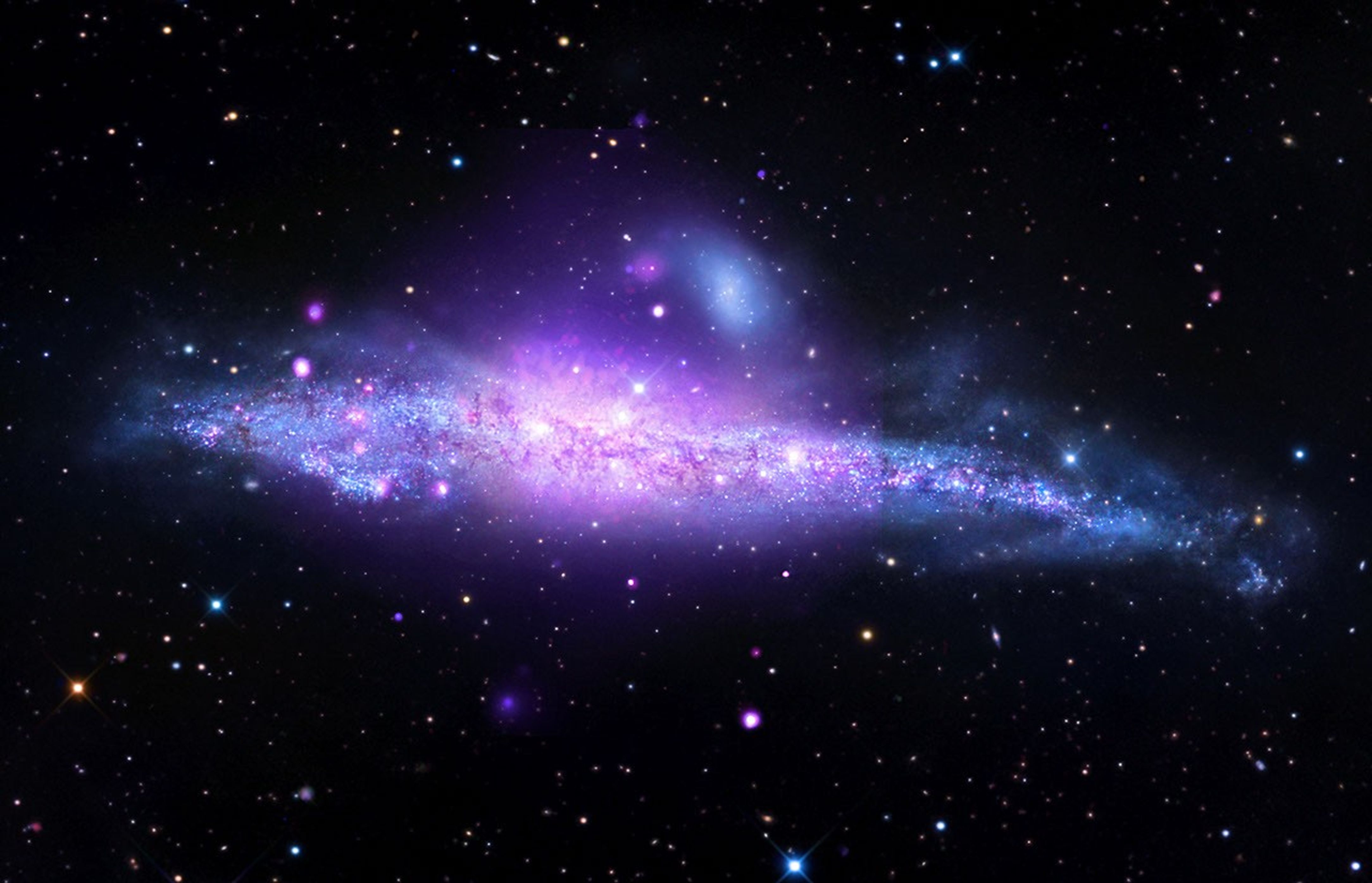
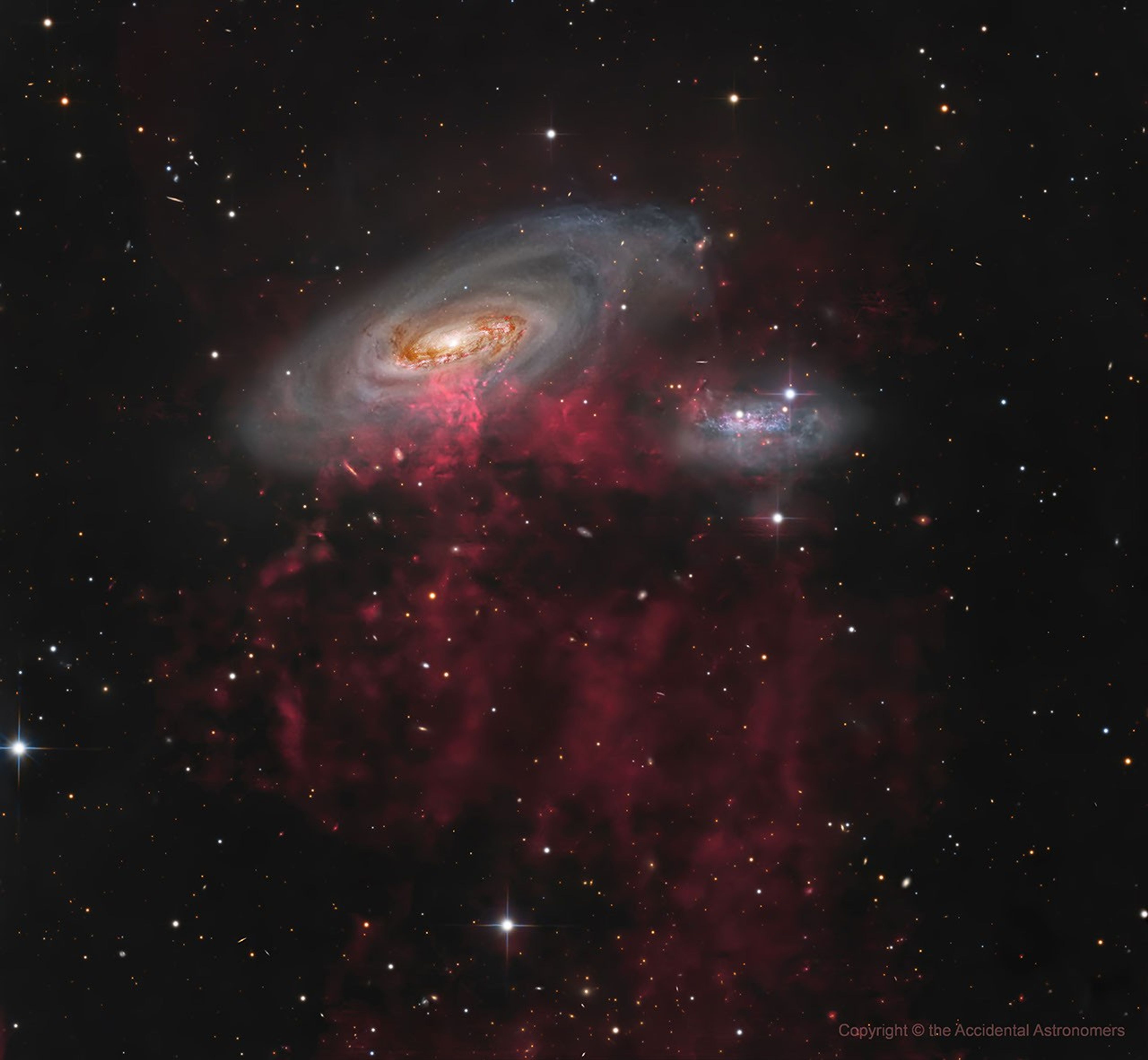
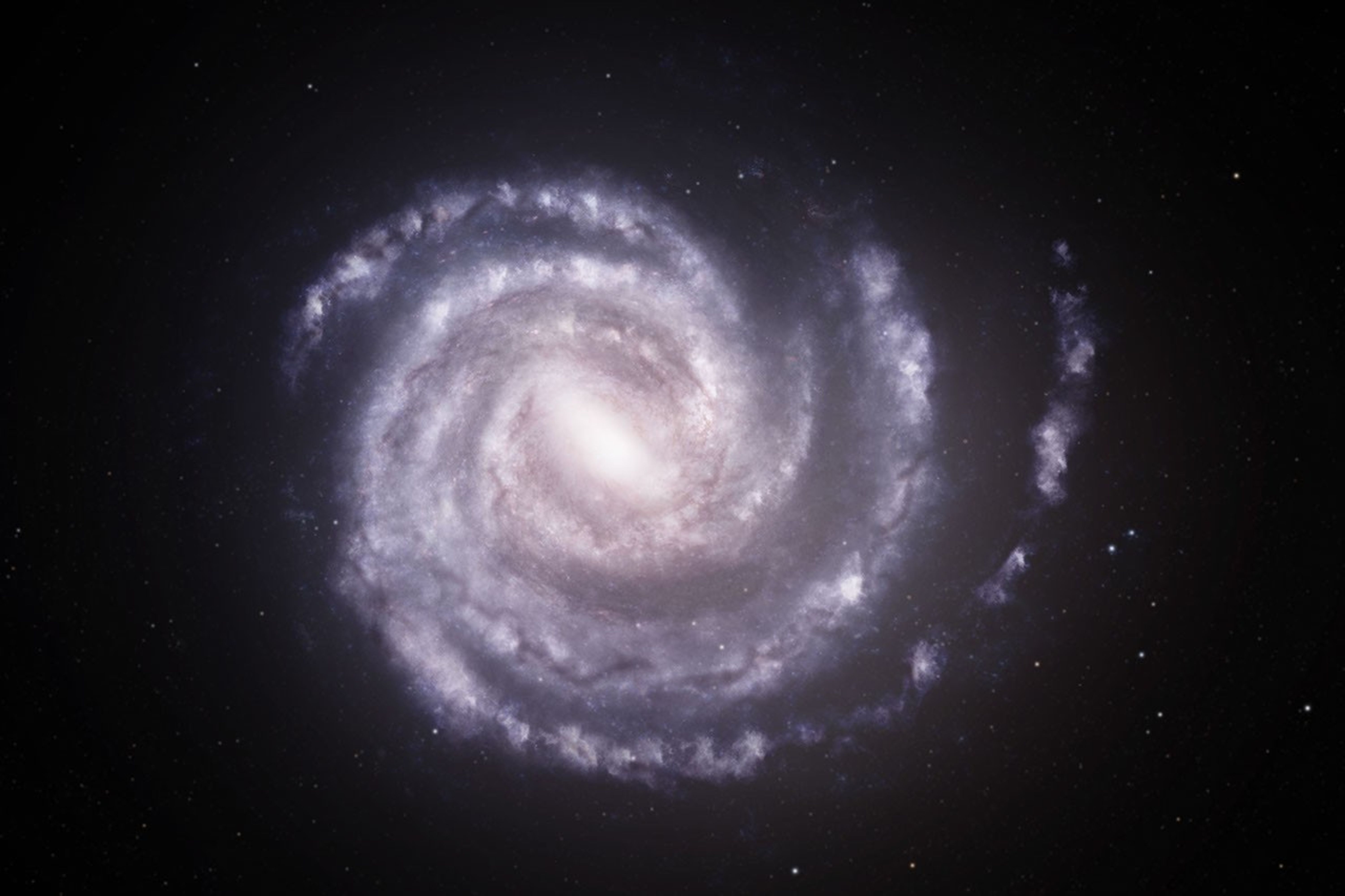
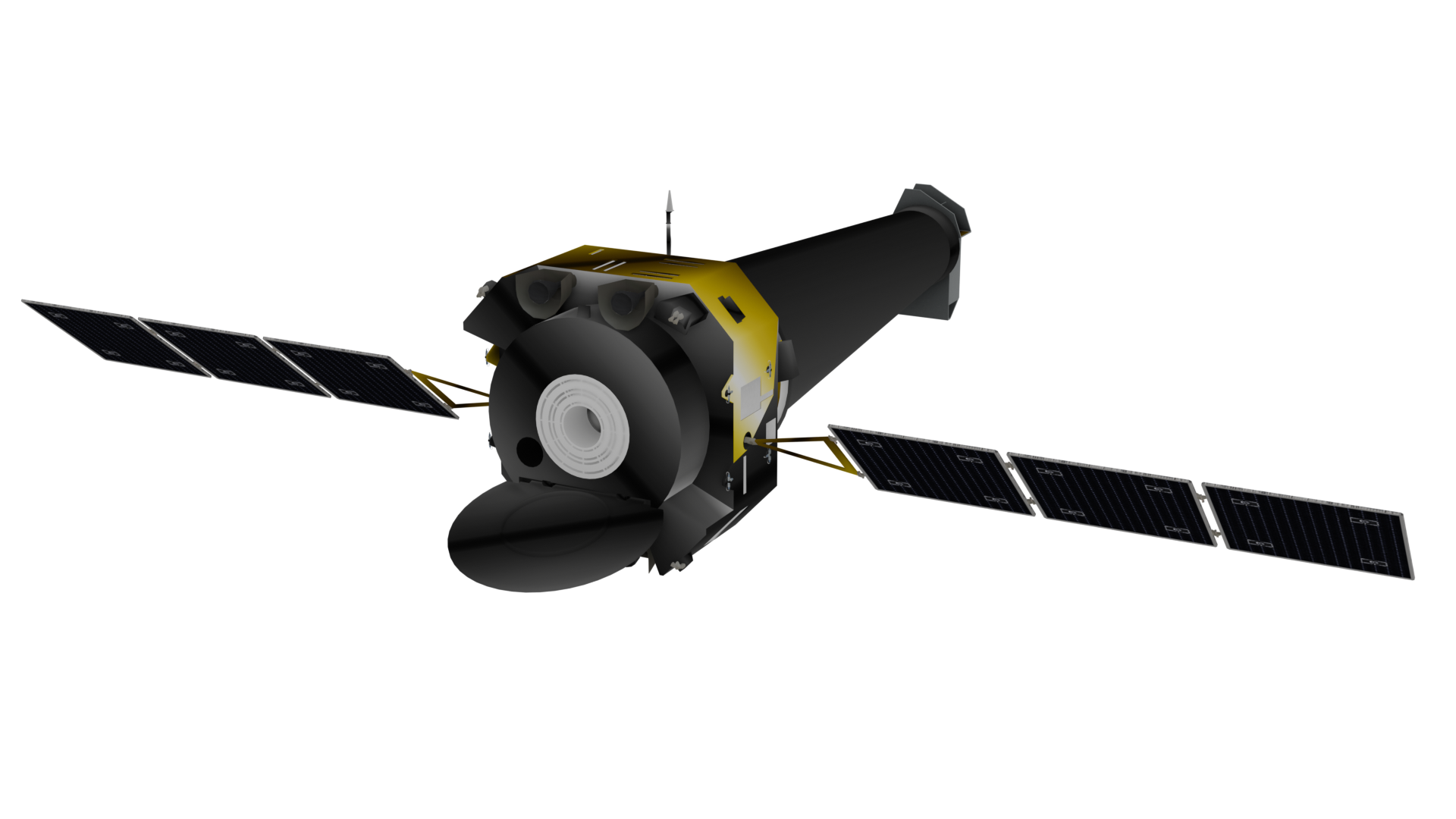
星系如同宇宙中的宝石,每一个都拥有独特的大小和形状等特征。美国国家航天局(NASA)的钱德拉X射线天文台(Chandra X-ray Observatory)与其他望远镜今日发布了一组新的星系图集,展示了这种多样性。
Galaxies are like cosmic gems, each with characteristics including size and shape that make them distinct. A new gallery released today from NASA’s Chandra X-ray Observatory and other telescopes displays a collection of galactic images that showcase this variety.
天文学家(astronomer)将星系分为三大类:像我们银河(Milky Way)那样从核心向外延伸出旋臂的旋涡星系;更为古老、很可能是合并产物的椭圆星系;以及涵盖了广泛星系现象的不规则星系。
Astronomers put galaxies into three main categories: spirals like our own Milky Way with arms emanating from their cores, ellipticals that are older and likely the results of mergers, and irregulars that can encompass a wide range of galactic phenomena.
正如宝石通过数十亿年的锻造过程揭示了地球(Earth)的历史一样,这些星系宝石也是研究地球在我们家园银河中所处位置的一种方式。通过向外观测其他星系,我们能进一步了解自己的星系,包括其过去和未来的线索。
Just as gems reveal the history of Earth through how they were forged over billions of years, these galactic gems are a way to study Earth’s place in our home galaxy of the Milky Way. By looking outward to other galaxies, we learn more about our own – including clues to its past and future.
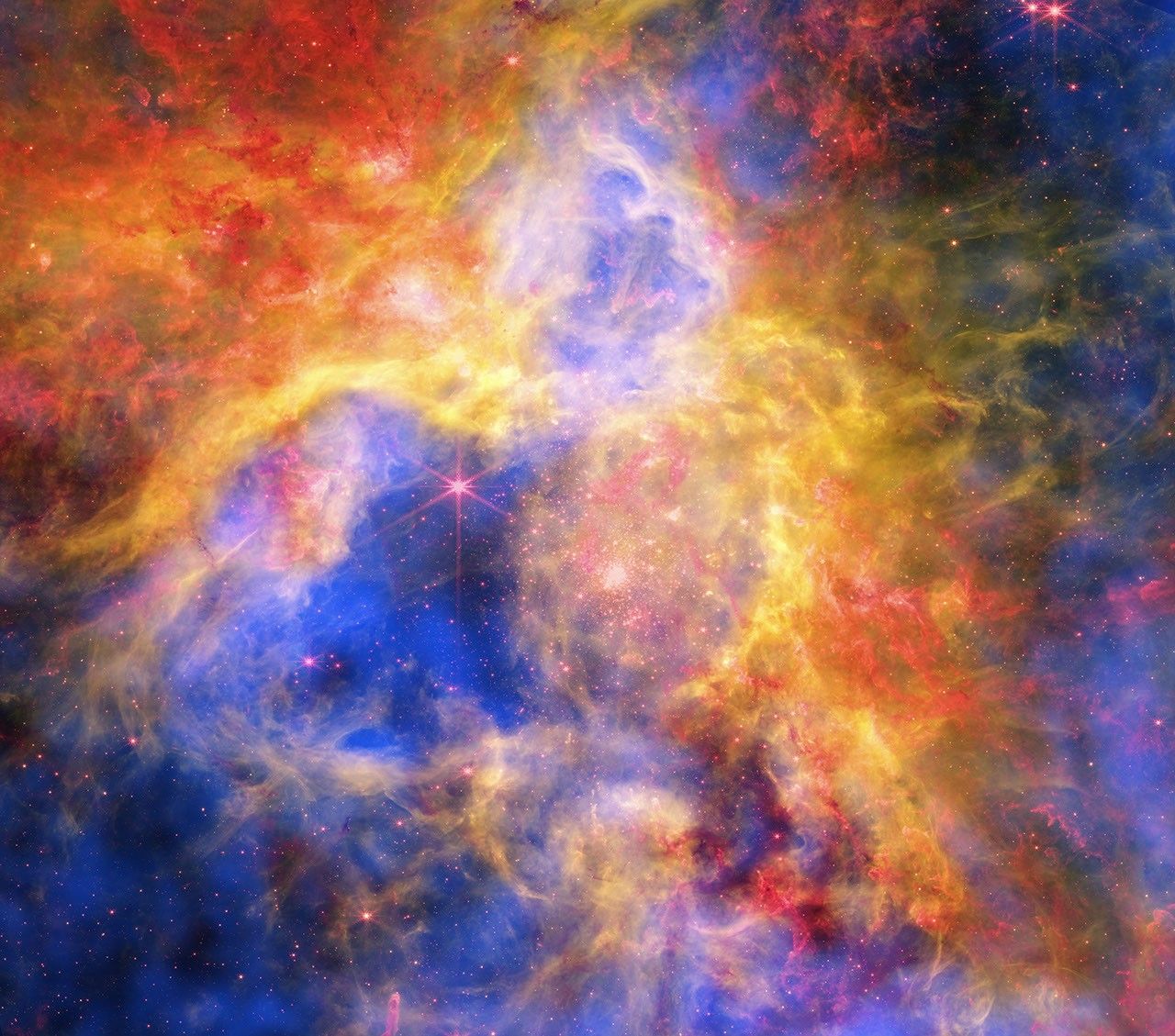
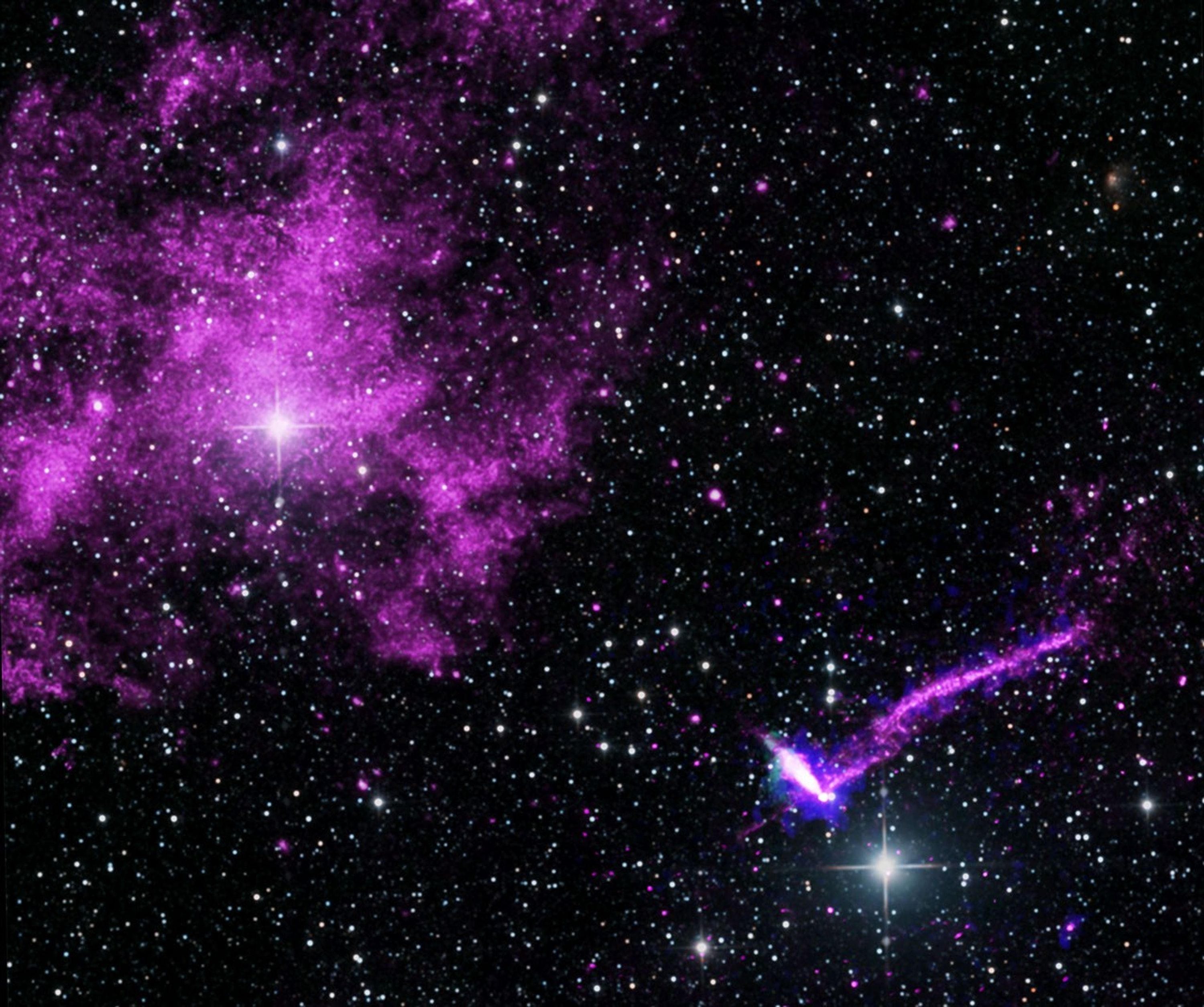
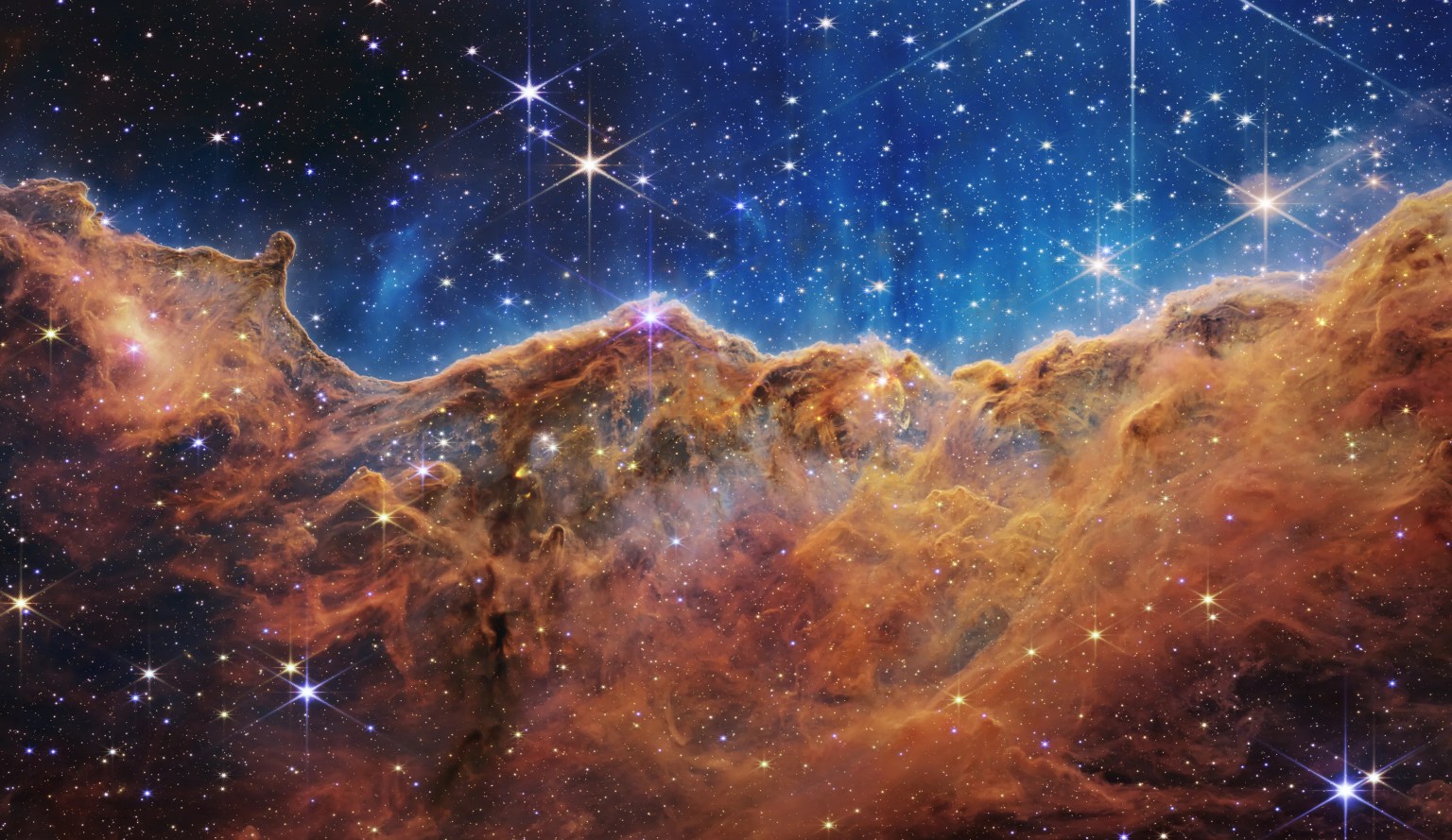
这组星系图集中共有16张新图像。每一张都包含了钱德拉在太空中运行数十年间收集的X射线数据。这些高能数据与来自NASA的詹姆斯·韦布空间望远镜(James Webb Space Telescope)、哈勃空间望远镜(Hubble Space Telescope)、成像X射线偏振探测器(IXPE)、格雷尔斯雨燕天文台(Neil Gehrels Swift Observatory)、核分光望远镜阵(NuSTAR)以及其他地面和空间望远镜的数据进行了合成。
There are 16 new images in this galactic gallery. Each one contains X-ray data from Chandra that has been collected across Chandra’s decades in space. This high-energy data has been combined with data from telescopes such as NASA’s James Webb and Hubble Space Telescopes, IXPE (Imaging X-ray Polarimetry Explorer), Neil Gehrels Swift Observatory, NuSTAR (Nuclear Spectroscopic Telescope Array), and others both on the ground and in space.
来源与许可
原文来自公共领域来源;译文由机器生成,请以原文为准。 原始页面